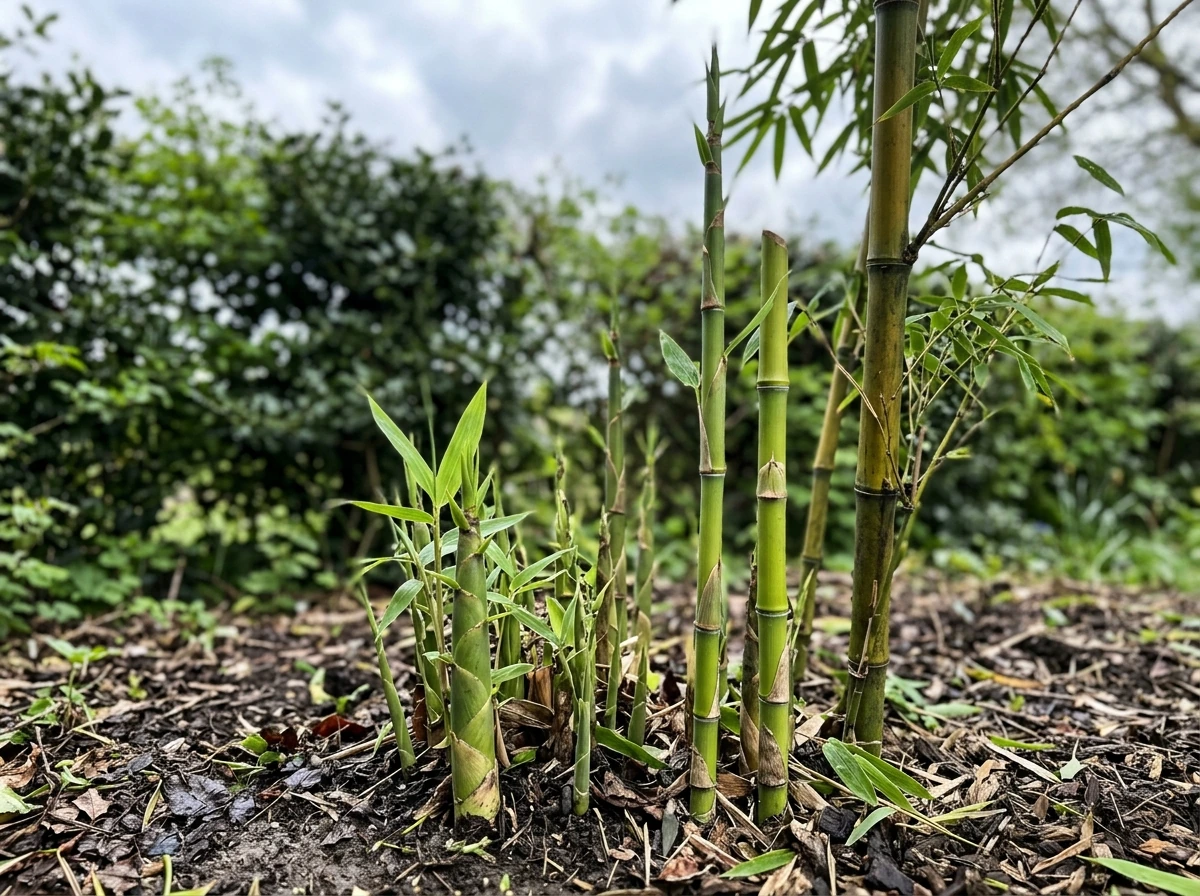
In Texas, most bamboo species grow 3 to 5 feet taller per year once they're established, with some aggressive running types pushing even beyond that in the warmest, wettest parts of the state. But that number comes with a big caveat: the first one to two years look nothing like that. During establishment, most of the plant's energy goes underground, building the rhizome network that eventually fuels fast above-ground growth. If you're in year one staring at a plant that hasn't moved much, you're not doing it wrong. You're just not there yet.
How Fast Does Bamboo Grow in Texas? Growth Rates
Marcus Hartwell
24 Mar 2026
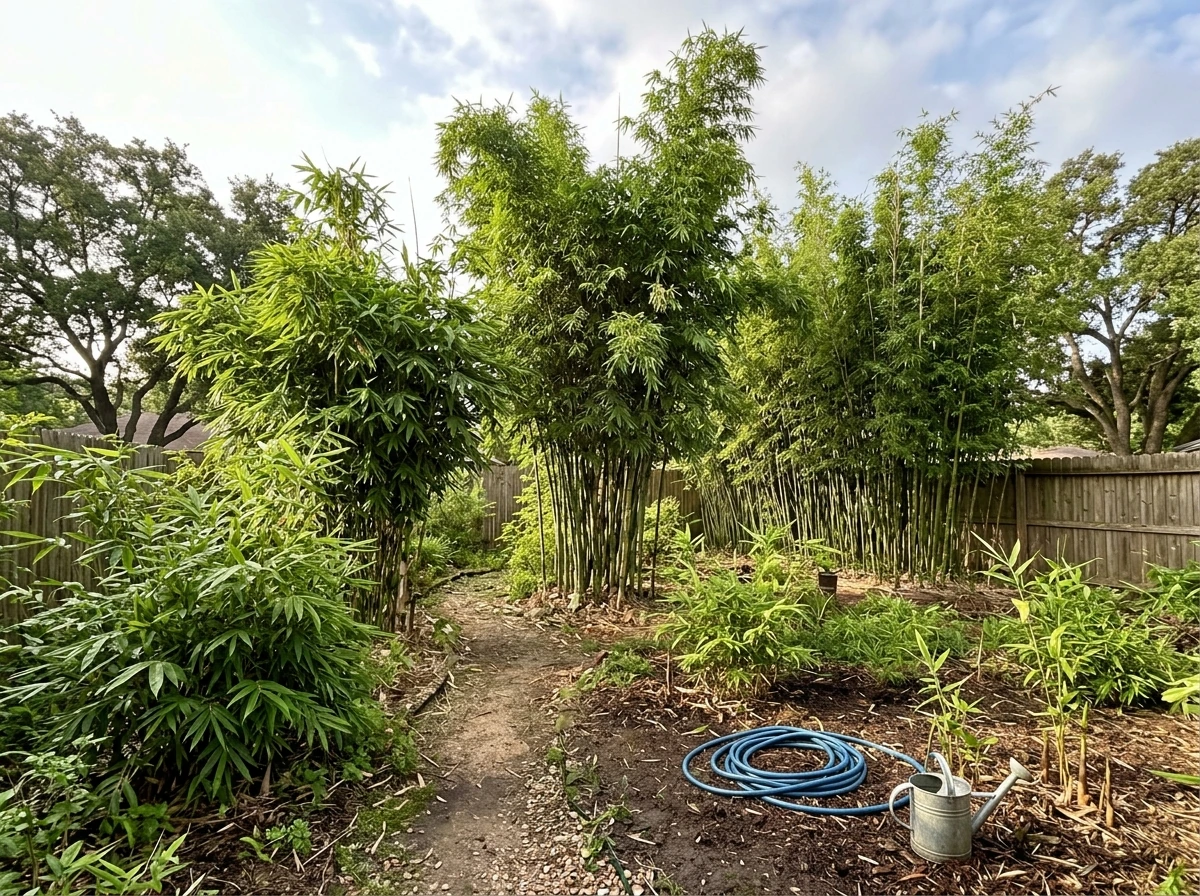
What bamboo growth actually looks like in Texas
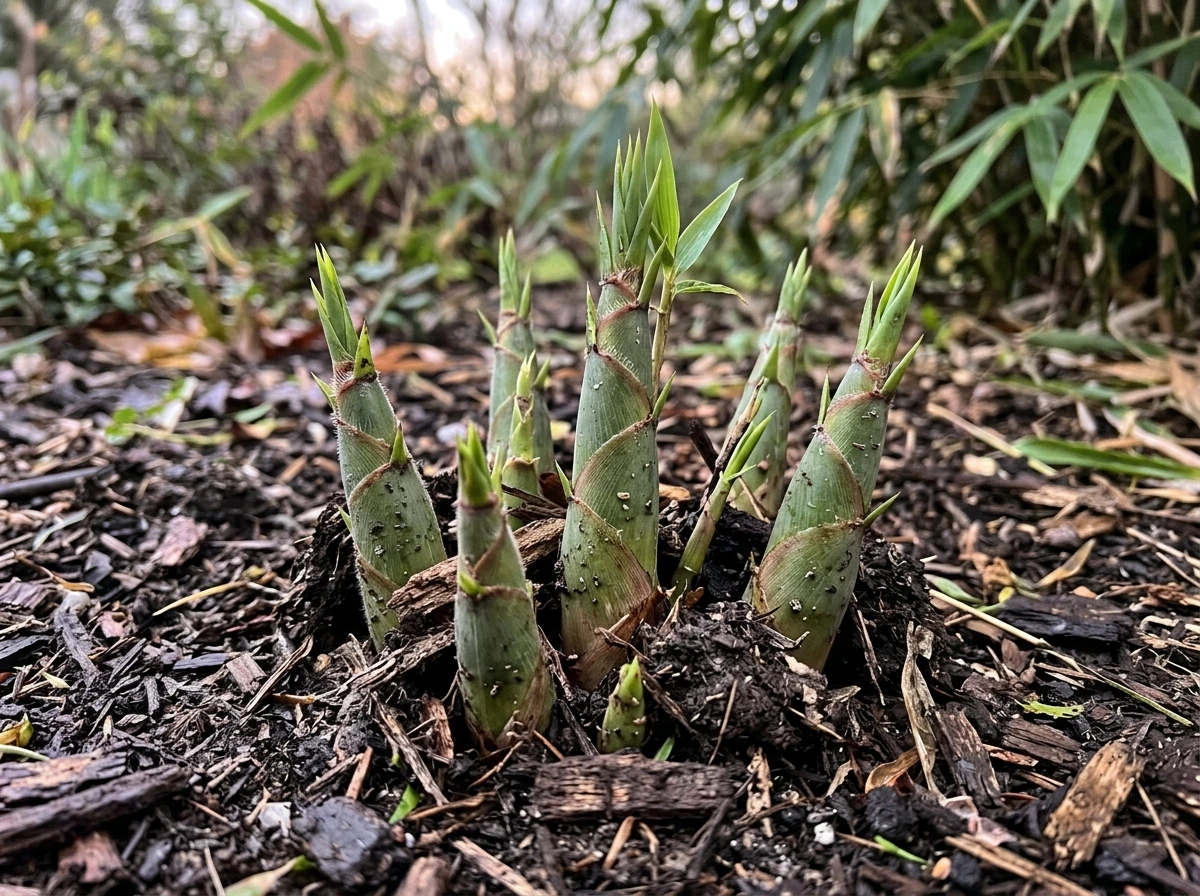
Texas is a great state for bamboo, especially in the eastern half and along the Gulf Coast. The heat is there, and so is enough humidity and rainfall in most years to keep moisture-hungry bamboo reasonably happy. The taller running varieties, particularly Phyllostachys species, are the ones that reach 3 to 5 feet of new height per year in Texas conditions. Clumping types grow more slowly in terms of height but are far less aggressive about spreading.
One thing that surprises most people: bamboo doesn't add height gradually week by week like a tree. When a shoot emerges, it achieves essentially all of its final height in about 30 to 60 days. Outside that shooting window, you won't see any new height on existing culms at all. Phyllostachys species typically shoot from around March through May in Texas, so the dramatic height gains are concentrated in that spring window. The rest of the year, the plant is storing energy and expanding horizontally underground.
Clumping vs. running bamboo: which grows faster in Texas
This is probably the single most important choice you'll make, and it affects both how fast you see results and how much work you'll do long-term. Running bamboos (like Phyllostachys aurea, P. nigra, or P. bambusoides) spread aggressively through long horizontal rhizomes that send up new culms along their entire length. This is what gives them their reputation for fast colonization. Clumping types (like Bambusa or Fargesia species) grow in tight, expanding circles without the long-distance runners. They're much slower to spread but far easier to contain.
In terms of raw height per year, running bamboos tend to win in Texas. They have more rhizome mass to draw from once established, which means each new shoot can get taller faster. Clumping bamboos still grow meaningfully, but you'll notice the spread is tighter and more predictable. If you want a privacy screen in three to four years and you're willing to manage containment, a running type is your fastest path. If you want something low-maintenance that won't take over your yard or your neighbor's, go clumping.
| Type | Spread Speed | Height Per Year (Established) | Containment Needed | Best Texas Use |
|---|---|---|---|---|
| Running (Phyllostachys) | Fast, aggressive | 3–5+ feet | Yes, barrier or regular pruning | Privacy screens, windbreaks |
| Clumping (Bambusa, Fargesia) | Slow, tight clump | 1–3 feet | Minimal | Accent plantings, containers, patios |
One honest note: in hotter parts of Texas, some Fargesia species (which thrive in cooler mountain climates) really struggle. If you're in Dallas, Houston, or San Antonio, lean toward heat-tolerant clumping types like Bambusa multiplex rather than Fargesia. The latter is better suited to the Texas Panhandle or higher elevations where summer nights cool down.
How Texas climate shapes bamboo growth speed
Texas isn't one climate. It's more like five, and where you are matters a lot for how fast bamboo grows and which species will actually thrive.
Heat and summer growing conditions
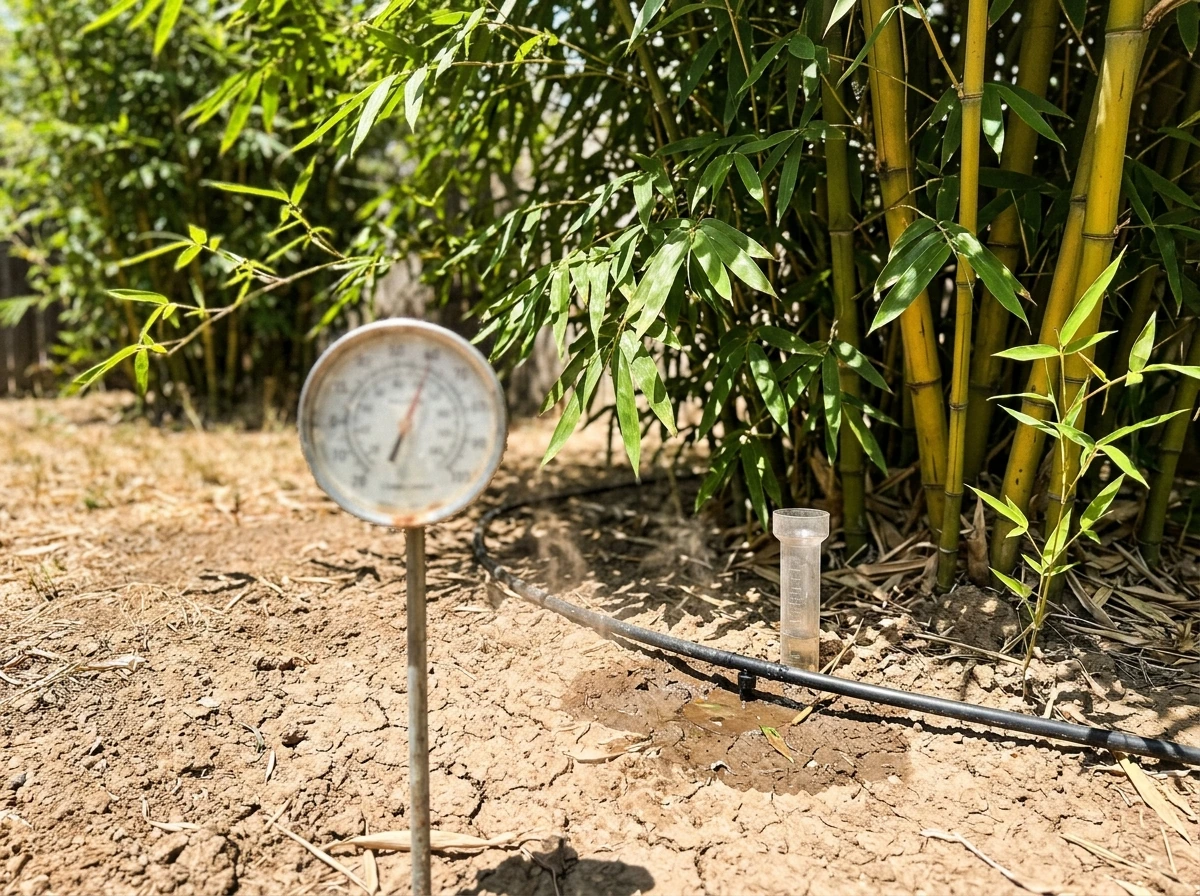
Most of Texas gets serious summer heat, and bamboo generally handles it well as long as moisture is consistent. The Houston area, South Texas, and the Gulf Coast have long, warm growing seasons that favor bamboo heavily. In these regions, you can get close to that [3 to 5 feet per year](/bamboo-growth-rate/does-bamboo-grow-quickly) figure for established running types without much struggle. Further west (think San Antonio, Austin, and especially West Texas), the drier air and more intense sun create stress unless you're irrigating consistently. Heat alone doesn't stop bamboo growth, but heat combined with dry soil does.
Winter lows: the real growth limiter for some Texas regions
Winter cold is where Texas gets complicated. The Houston area sits in USDA Zone 9a, and most bamboo species handle that easily. But North Texas, the Panhandle, and parts of Central Texas can drop into Zone 7 or even 6b during hard winters. February 2021 was a stark reminder of what an unusual cold snap can do, when temperatures in parts of Texas fell well below what most bamboo species can tolerate. After a severe freeze, even well-established bamboo can have its culms killed back to the ground, forcing it to essentially restart its above-ground growth. The rhizomes usually survive, and growth resumes, but you lose the height you'd built. Choosing cold-hardy species (like Phyllostachys bissetii or Pseudosasa japonica) for North Texas gives you much better odds of retaining culms through a harsh winter.
Humidity and moisture availability
For clumping bamboos especially, moisture availability is one of the primary drivers of when and how much they shoot. In regions with regular summer rainfall and humidity (East Texas, the Gulf Coast), bamboo growth can be nearly continuous during warm months if the plant is established. In drier parts of Texas, the same species on drip irrigation will grow well, but you won't get the same spontaneous flush of growth you'd see in naturally humid conditions. Humidity also reduces the plant's water stress, meaning more of its energy goes into growth rather than survival.
Setting up your planting site for maximum growth
Getting the site right before you plant makes a bigger difference than almost anything you do afterward. Bamboo is forgiving, but it responds strongly to good setup.
Sun exposure
Full sun (6 or more hours of direct sun per day) is ideal for most of the running types that grow tallest. In the intense Texas summer, a bit of afternoon shade actually helps in Zone 9 and above, since it reduces heat stress and moisture loss. Morning sun with afternoon shade is a reasonable compromise for most of Texas. Clumping types like Bambusa are more tolerant of partial shade, though they'll grow faster in full to partial sun.
Soil prep
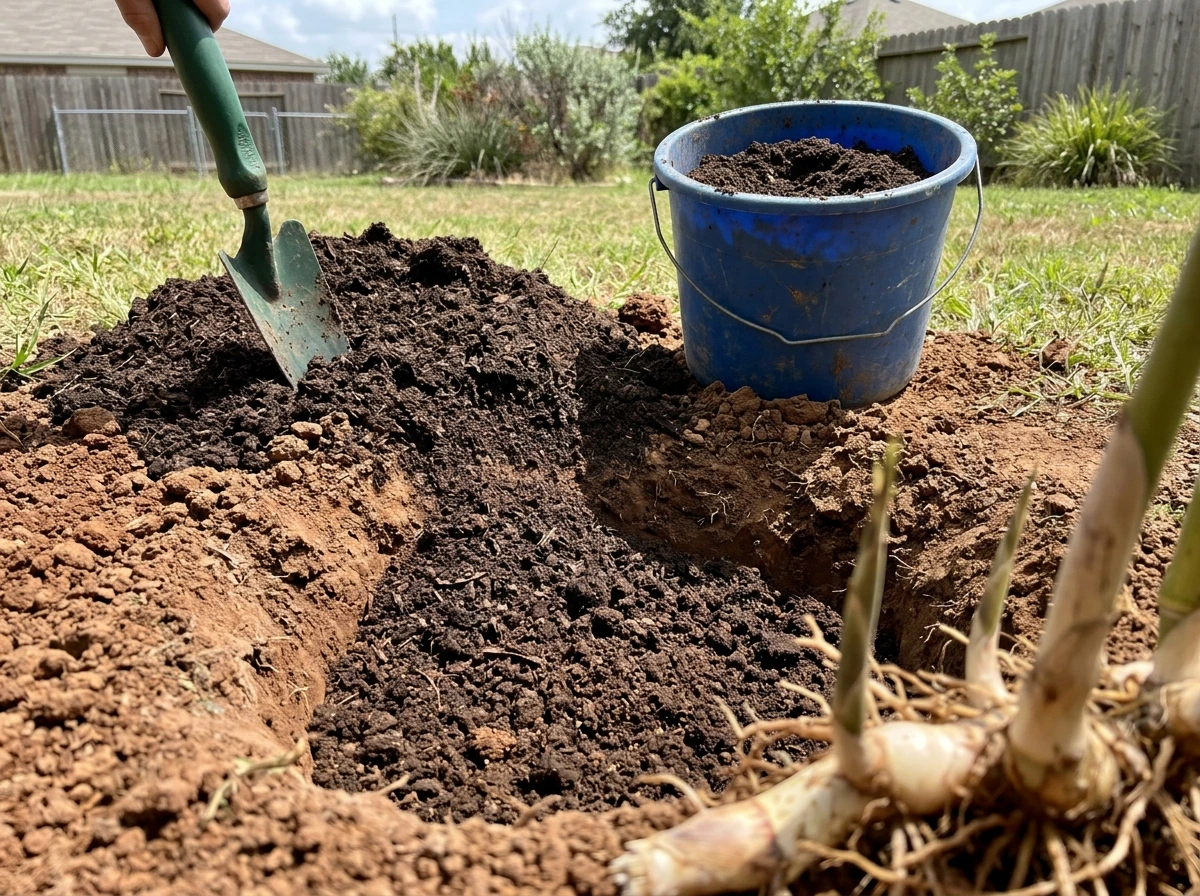
Bamboo wants well-draining soil with good organic content. It does not like sitting in waterlogged clay. Much of East Texas and parts of the Gulf Coast have heavy clay soils that need amendment before planting. Work in compost generously, at least a 3 to 4 inch layer turned into the top 12 inches. A slightly acidic to neutral pH (around 5.5 to 7.0) is ideal. If your soil is very alkaline (common in parts of Central and West Texas), acidifying amendments or a soil mix in a raised bed situation will help.
Spacing and planting depth
For a privacy screen using running bamboo, plant divisions 3 to 5 feet apart. They'll fill in over two to three growing seasons. For clumping types used as accent plants, give them 6 to 10 feet of space depending on the mature spread of the variety. Plant at the same depth the bamboo was growing in its container. Planting too deep is a common mistake that slows establishment.
Containment for running types
If you're planting a running bamboo in Texas, install a rhizome barrier at planting time. A 30-mil-thick HDPE barrier, buried 24 to 30 inches deep with about 2 inches left above grade, is the standard approach. Without it, running bamboo in warm Texas conditions can spread 10 to 15 feet or more from the original planting within a few years. A barrier doesn't slow growth upward, but it keeps the plant where you want it.
A care plan that actually speeds up growth
Watering
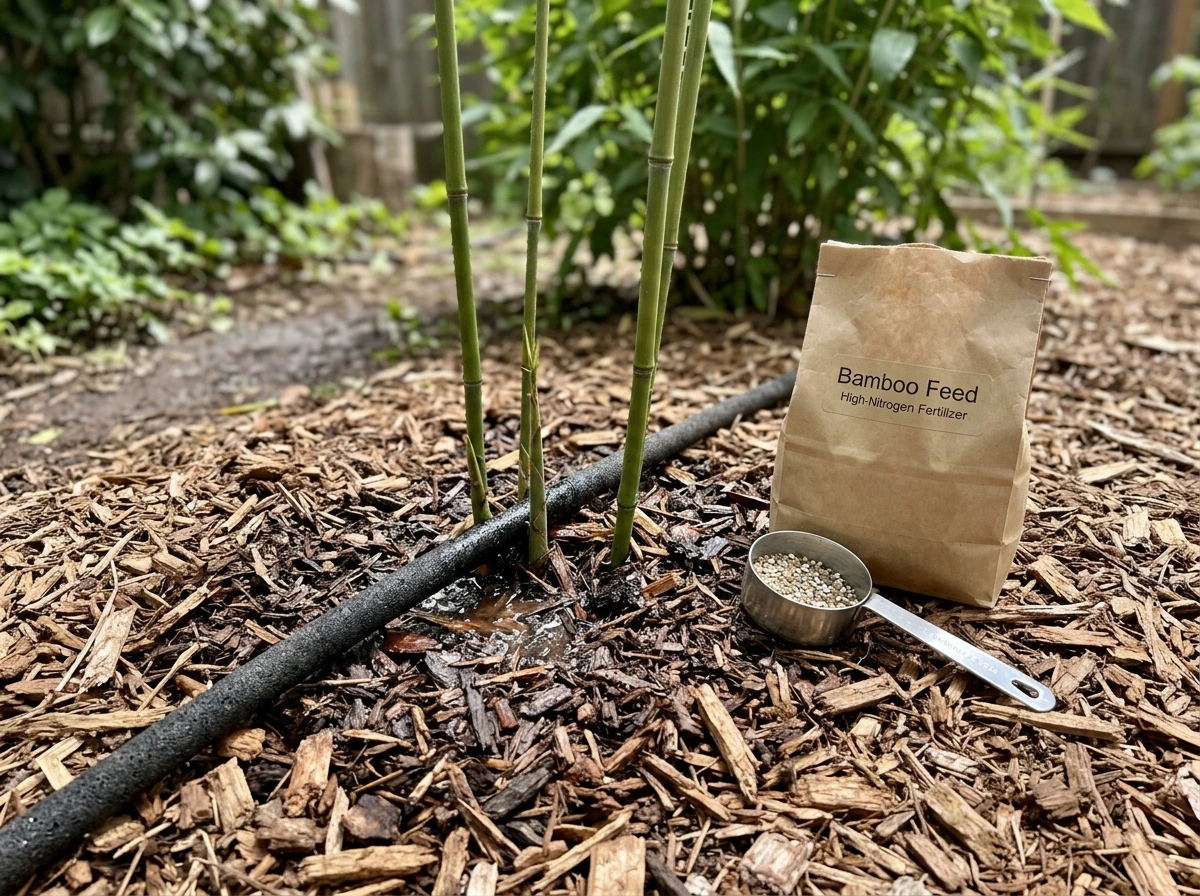
Water is the biggest lever you have, especially during establishment. During the first three years, plan on watering 1 to 3 times per week through summer. On extreme heat days in Texas (and there are plenty of those), that can mean daily watering. Once established, bamboo is more drought-tolerant, but during the shooting season in spring, consistent moisture directly affects how tall each new culm grows. A shoot that runs short on water during its 30 to 60-day elongation phase won't reach its potential height. A good target during normal summer weather is 1 to 2 gallons of water per session for young plants, scaling up with plant size and whether it's container-grown.
Fertilizing
Nitrogen drives bamboo growth more than anything else. A high-nitrogen fertilizer (lawn fertilizer works well, often 20-5-10 or similar) applied in early spring before shooting begins, and again in early summer, will noticeably increase the size of new culms. Don't fertilize in late summer or fall in North Texas, as it can push tender new growth that gets damaged by early frosts. In South Texas and the Gulf Coast where winters are mild, a light third application in early fall is fine. Avoid over-fertilizing, which can cause excessive leaf production at the expense of culm development.
Mulching
A 3 to 4 inch layer of wood chip mulch over the root zone does three important things in Texas: it retains moisture, moderates soil temperature (critical when summer soil temps can exceed 100°F in direct sun), and breaks down over time to feed the rhizome system. Refresh the mulch each fall. In North Texas, a thicker mulch layer in winter also protects the rhizomes from hard freezes.
Year one vs. year three and beyond: what's normal
There's an old saying about bamboo planting: the first year it sleeps, the second year it creeps, the third year it leaps. That's a simplification, but it's directionally accurate. In year one in Texas, you'll often see very little above-ground change. Maybe a few thin new culms that aren't much taller than what you planted. Internally, the rhizome system is expanding, and this is normal and necessary. Don't mistake slow above-ground growth for a failing plant.
In year two, you'll typically see more culms and slightly larger diameter shoots. By year three in good Texas conditions, the leap is real. The rhizome mass is now large enough to fuel serious shooting, and you'll start to see culms that are noticeably taller and thicker than the original planting. After year three, expect 3 to 5 feet of new height per year from running types in the Houston climate zone, somewhat less in drier or colder Texas regions, After year three, expect 3 to 5 feet of new height per year from running types in the Houston climate zone, somewhat less in drier or colder Texas regions, see [how fast bamboo grows](/bamboo-growth-rate/how-fast-does-black-bamboo-grow) in Florida for what to expect in a different climate.
| Year | What You'll Likely See | Underground Activity |
|---|---|---|
| Year 1 | Little to no new height; maybe a few small culms | Rhizome establishment, energy storage |
| Year 2 | More culms, modest height gains, slightly larger diameter | Rhizome network expanding |
| Year 3 | Noticeable surge in culm number and height | Large rhizome mass fueling fast shoots |
| Year 4+ | Full 3–5 ft/year height gains, dense grove forming | Mature system, fastest growth phase |
If you want to speed up the timeline, start with the largest plant you can buy and afford. A 15-gallon container plant will establish faster than a 1-gallon, and a large balled-and-burlapped division from a nursery can skip a year or more of the slow phase. Planting in spring (March to April in most of Texas) gives the plant a full warm season to establish before its first winter.
Things that slow bamboo down in Texas and how to fix them
A few specific problems show up repeatedly with bamboo in Texas. Most of them are fixable once you know what you're looking at.
- Drought stress during shooting season: If new shoots emerge in spring but stay short and spindly, inconsistent watering is usually the culprit. Increase watering frequency during the March through May shooting window, even if the rest of the year you're more hands-off. Each shoot only gets one shot at its final height.
- Alkaline or poorly draining soil: Bamboo planted in heavy clay or high-pH alkaline soil will grow slowly and look yellow-leaved (a sign of iron or manganese deficiency at high pH). Amend with sulfur to lower pH, or add chelated iron to address immediate deficiency. Long term, improving drainage with organic matter is the real fix.
- Freeze dieback in North Texas: After a hard freeze kills culms back to the ground, the natural instinct is to panic. Don't. Wait until late March or April to cut back dead culms to the ground, and new shoots will emerge from surviving rhizomes. Feed with nitrogen fertilizer to push new growth. The plant usually recovers within one full growing season if the rhizomes survived.
- Wrong species for the location: A Fargesia planted in Houston will struggle and grow slowly, not because you're doing anything wrong but because it wants cooler conditions. If your bamboo isn't thriving despite good care, research the cold hardiness zone and heat tolerance of your specific species. Replacing it with a heat-appropriate variety is faster and less frustrating than nursing the wrong plant.
- Container-bound plants: If you're growing bamboo in a container and growth has slowed dramatically despite good care, the plant is likely root-bound. Either size up to a larger container (at least doubling the volume) or divide and replant. Root-bound bamboo in Texas summer heat can also dry out dangerously fast, requiring more frequent watering than in-ground plants.
- Lack of nitrogen: Slow growth with pale green or yellowish leaves on an otherwise healthy plant often just means it needs feeding. Apply a high-nitrogen fertilizer in spring and reassess over the following shooting season.
The bottom line for Texas bamboo growers is this: get the species right for your climate zone, give it time to establish without confusing slow first-year growth for failure, keep moisture consistent especially during spring shooting, and feed with nitrogen in spring. Do those four things and you'll have bamboo growing at the upper end of what the climate allows. The fundamentals here are the same whether you're in humid Houston or drier Austin, the specifics just shift slightly with how much supplemental irrigation you're providing.
FAQ
Why does my bamboo in Texas stay small after planting, even if it’s supposed to grow 3 to 5 feet per year?
That’s usually normal establishment. During year one, most growth happens underground (rhizome expansion) and above-ground height may barely change. If you see no new shoots by the start of the second spring, check whether the plant is buried too deep, the soil stays waterlogged, or the site is too dry during spring shooting, since those can delay or reduce shoot emergence.
When bamboo shoots up in Texas, does it grow in spurts or gradually like a tree?
It’s mostly a short shooting window (often spring), when a new culm rapidly reaches near its final height within about 30 to 60 days. Outside that window, existing culms generally do not keep gaining height, so measuring growth week to week can make it look like it’s “not growing,” even when the plant is preparing underground.
How fast will bamboo grow if I plant it in fall instead of spring in Texas?
Fall planting often slows the timeline because the plant has less time to build rhizomes before winter. Spring (roughly March to April) gives a full warm season to establish before cold season. If you must plant in fall, prioritize consistent watering until the soil is cool, and use heavier mulch to protect rhizomes from temperature swings.
Can I speed up growth by fertilizing more heavily in Texas?
More fertilizer is not always better. Bamboo responds strongly to nitrogen, but overdoing it can increase leafiness while weakening culm development, and late-season nitrogen can trigger tender growth that can be damaged by early frosts. Stick to early spring, again in early summer, and in cooler North Texas avoid fall feeding.
How much water does bamboo need during the shooting phase in Texas?
During spring shooting, moisture directly affects how tall each culm reaches. For young plants, plan on roughly 1 to 2 gallons per session as a baseline (scaling up with plant size and heat). The key is consistency, if watering is irregular and the soil dries out during elongation, shoots may emerge but stall short.
If I install a rhizome barrier for running bamboo, will it reduce how fast it grows upward?
A properly installed barrier should not limit upward height growth. Its purpose is containment by forcing rhizomes to stay within the planting area. Make sure the barrier is installed at planting time and buried deep enough (with the correct amount left above grade), otherwise running types can still creep beyond the boundary.
Do clumping bamboos ever reach the same annual height gains as running types in Texas?
They usually grow more slowly in terms of height gain and spread, even in good conditions. You may still see meaningful new culms, but if your goal is the fastest privacy screen timeline, running types generally have the advantage because they can draw from more rhizome mass and shoot along longer rhizome runs.
What Texas mistake most commonly slows bamboo growth: sun, soil, or spacing?
Spacing and soil drainage are frequent culprits, but spacing affects stress over time. If running bamboo is planted too tight or without proper barriers, competition and containment problems can reduce performance. Also avoid waterlogged clay, since bamboo dislikes “staying wet” at the roots, and heavy soils often need compost and drainage improvements before planting.
Will bamboo keep growing through winter in Texas?
In mild parts of Texas, growth can slow but may continue during warm stretches. In colder regions, shooting stops and culms may die back after hard freezes. Even when rhizomes survive, spring growth can look delayed because the plant must rebuild above-ground culms after winter cold.
How can I tell whether my bamboo is thriving underground even if it isn’t growing taller above ground yet?
Look for signs like new culm emergence the following spring, increasing shoot thickness over time, and root-zone vigor reflected in how quickly the plant responds to spring warmth. If you planted at the correct depth, keep spring moisture consistent, and see shoots starting later but eventually in the next season, it’s often a case of delayed establishment rather than failure.
Which Texas areas are most likely to get close to the upper growth numbers?
Generally, the warm, humid regions with reliable moisture, like the Houston area and the Gulf Coast, support stronger shooting and closer-to-peak annual gains for established running bamboos. Inland and drier areas can still do well, but typically require more consistent irrigation to replicate the conditions that drive tall spring shoots.
Next Article
How Fast Does Bamboo Grow Per Month, Year, and More
Growth rates for bamboo by month and year, with fast shoot estimates, unit conversions, and UK climate tips.