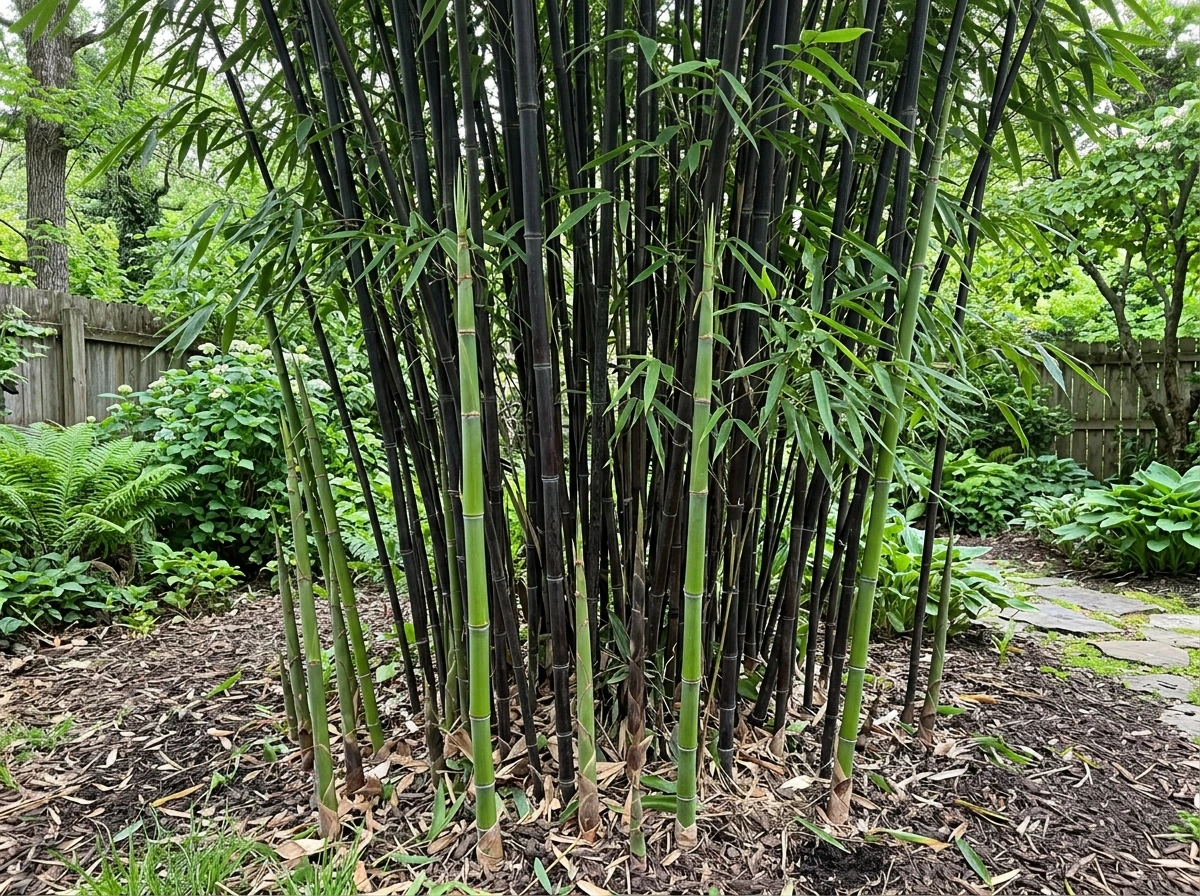
Bamboo grows fast, and if you’re wondering whether bamboo grows quickly, it depends almost entirely on which species you're growing, how established the plant is, and where you live. [does bamboo grow quickly](/bamboo-growth-rate/how-fast-does-black-bamboo-grow) A mature moso bamboo (Phyllostachys edulis) can push up more than 100 cm in a single day at its peak growth sprint. A young Fargesia clumper in a UK garden might gain 50–75 cm across a whole year. Those two numbers are both correct, and that gap is exactly why this question trips people up. Let me give you the real numbers, broken down by type, timeline, and growing conditions so you can set an honest expectation for your own situation.
How Fast Does Bamboo Grow Per Month, Year, and More

Marcus Hartwell
24 Mar 2026
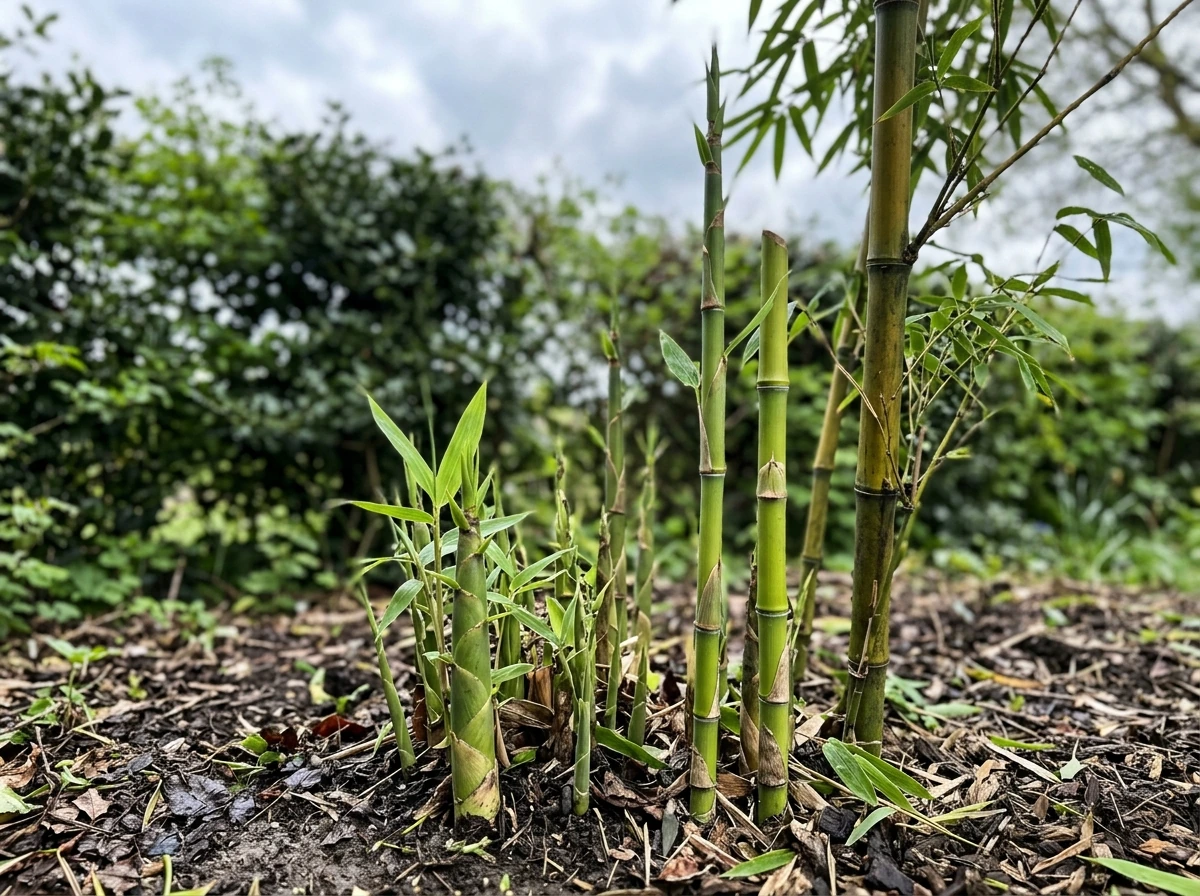
Typical bamboo growth rate timelines
For most running bamboos in the Phyllostachys genus, a realistic annual height gain is 3–5 feet (roughly 90–150 cm) per year, once the plant is established. That 'once established' part matters a lot. In the first year after planting or transplanting, many bamboos look almost static above ground. The plant is investing energy into root and rhizome development, and you might see short, bushy growth rather than tall new canes. Don't panic. Year two and three are typically when things start to take off noticeably.
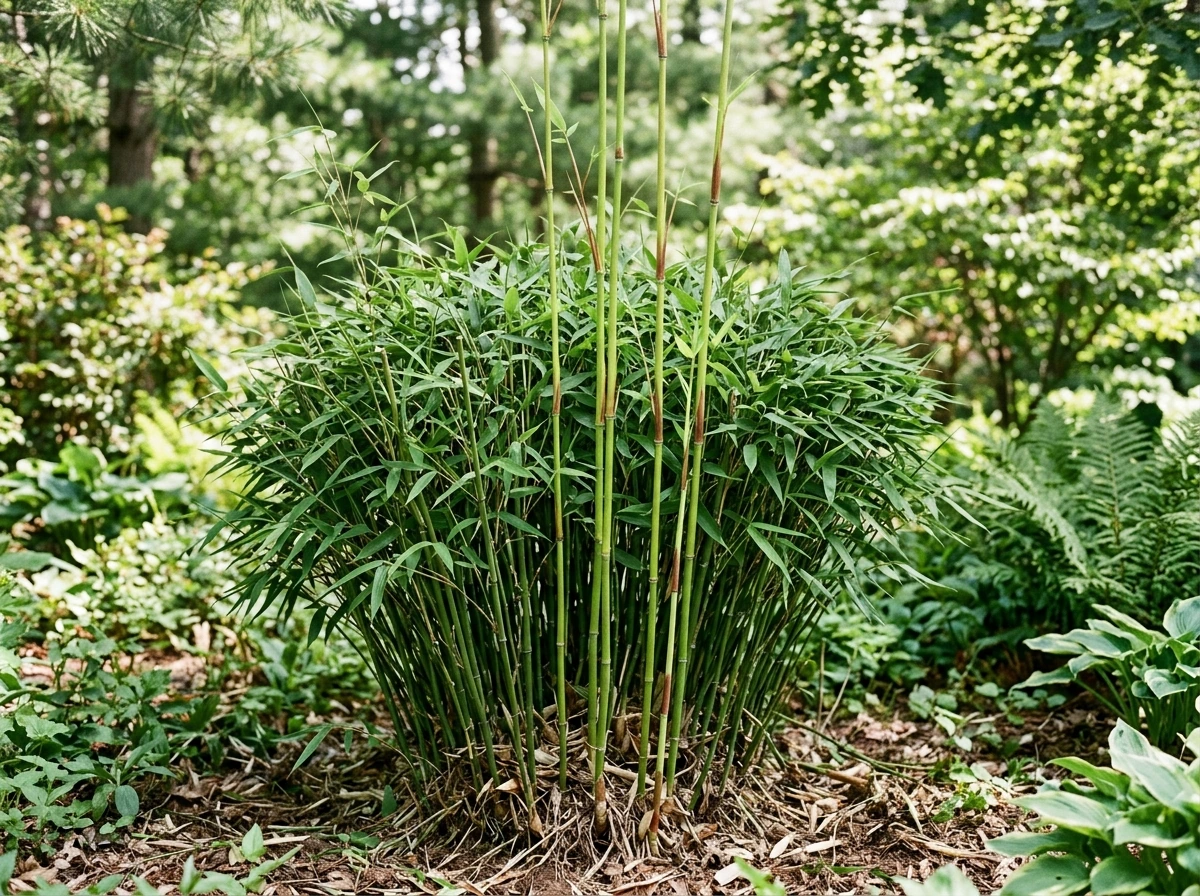
For clumping bamboos like Fargesia, the timeline is slower. A Fargesia robusta 'Campbell' in a temperate climate (think UK or Pacific Northwest) typically gains 50–75 cm per year under good conditions. A particularly vigorous variety like Fargesia robusta 'Formidable' can push 0.5–2 metres in a single growing season in the UK under optimal conditions, but 2 metres is genuinely the upper end for a clumper in a cooler climate. Most clumping species have a maximum mature height of around 2–4 metres depending on the cultivar.
For tropical giants like Bambusa oldhamii (green bamboo), the growth pattern is different again. Research on this species shows that branch development occurs around 10 weeks after culm growth begins, with the first leaf appearing roughly 5 days after branches initiate. This is a reminder that early establishment is measured in weeks, not days, even for fast-growing tropical species.
The multi-year view is important for clumping bamboos especially. The first year is mostly underground establishment. By year three, you'll see taller, thicker canes. By year five, a well-sited clumper is often at or near its mature height and producing a proper screen. Running types tend to colonise faster laterally and can produce taller new canes sooner once the rhizome network is mature.
Growth speed by bamboo type
Giant bamboo
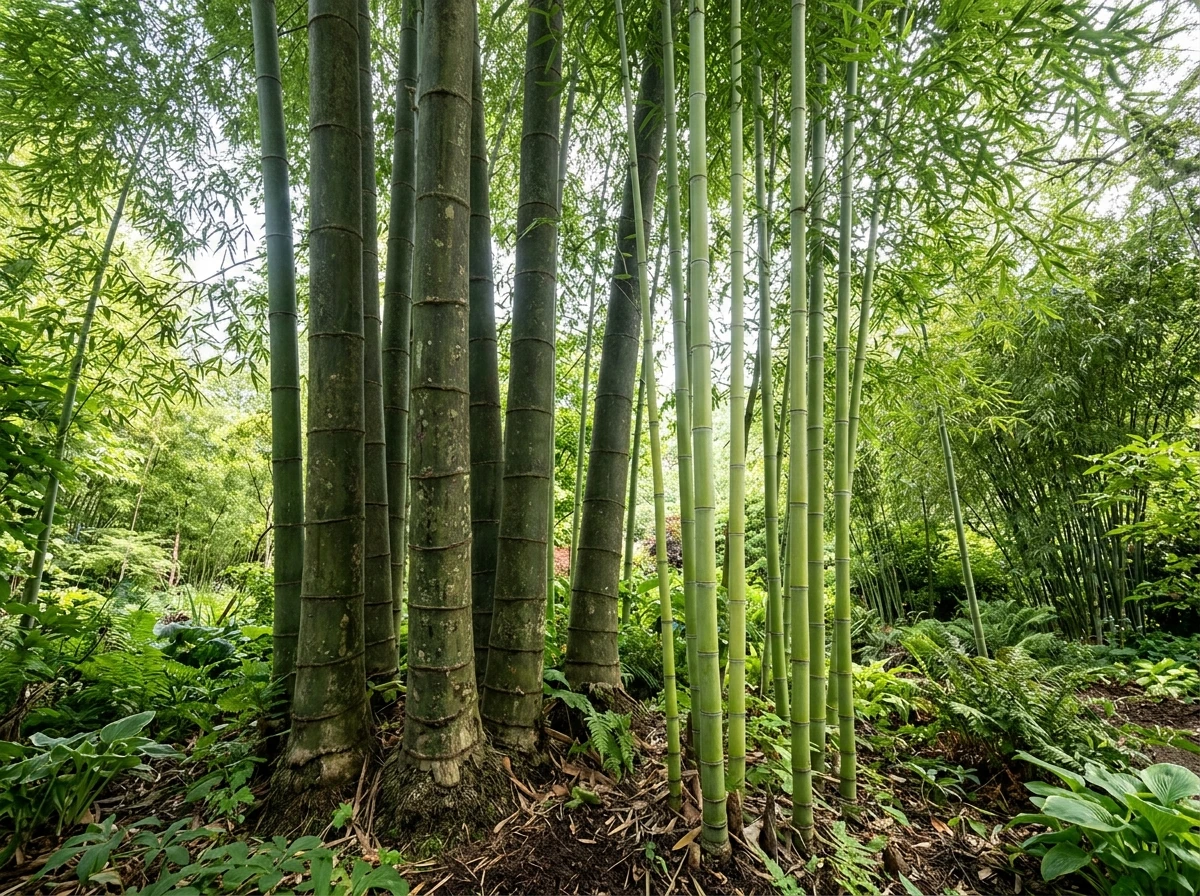
When people say 'giant bamboo,' they usually mean Dendrocalamus giganteus or Phyllostachys edulis (moso). These are the species behind the headline numbers. Moso is the scientific record holder for single-day growth: research has documented peak elongation of up to 114.5 cm per day during the active shooting phase on mature culms. That's roughly 4.8 cm per hour at peak. This doesn't happen on a young plant or in a marginal climate. It requires a mature rhizome system, warm temperatures, adequate moisture, and good soil. Still, even under average conditions in a warm climate, moso routinely grows 30–90 cm per day during its spring shooting window, and a mature grove can produce canes that go from ground level to full height (10–20 metres in ideal subtropical conditions) in as little as 60 days.
Running bamboo
Running bamboos, mostly in the Phyllostachys genus, are the most commonly grown tall bamboos in temperate gardens. The typical annual height gain is 3–5 feet (90–150 cm) once established. New canes emerge in spring, generally between April and June, and reach their full height within about 2–3 months. A bamboo that was 8 feet tall last year might send up new shoots that grow to 10 feet this spring. Running types spread aggressively underground via rhizomes, so the energy in a mature grove is substantial. That's part of why new shoots grow so fast: they're being fed by an established root network, not starting from scratch.
Timber bamboo and green bamboo
Timber bamboo is often used as a category label for large, commercially valuable species like Phyllostachys edulis (moso), Phyllostachys vivax, or Bambusa oldhamii (green bamboo). Green bamboo specifically refers to Bambusa oldhamii, a clumping tropical species that's widely grown in warm climates like Florida and Southern California. It grows vigorously in warm weather and can reach 40–50 feet (12–15 metres) at maturity in Zone 9+. Annual height gains on established plants in those regions can approach or exceed 10 feet per year on the new canes. In cooler zones it's much less dramatic and may not survive hard winters at all.
Chinese bamboo
This term is used loosely and can refer to several species, but most commonly it describes moso (Phyllostachys edulis), which is native to China and is the most widely cultivated bamboo in the world. The same figures apply: extreme growth potential at peak (100+ cm/day on mature plants) with modest early establishment growth. It's also sometimes applied to Phyllostachys aurea (golden bamboo), which grows more moderately at around 1–3 metres per year in warm temperate climates.
Bamboo tree and bamboo palm
These terms are worth clarifying because they cause confusion. There is no true 'bamboo tree' botanically; bamboo is a grass. The phrase is sometimes used in marketing for tall, upright species. 'Bamboo palm' (Chamaedorea seifrizii) is not bamboo at all. It's a palm with cane-like stems that superficially resemble bamboo. It grows slowly compared to true bamboo, typically gaining 30–60 cm per year, and is primarily grown as a houseplant or in tropical landscapes. If you're researching bamboo growth rates, bamboo palm is an entirely different plant with its own much more modest growth timeline.
What happens after you plant: shoot emergence and the first weeks
After planting a rhizome cutting, the most cited benchmark is about six weeks before you see shoots emerge above ground, assuming conditions are appropriate. The first two weeks are mostly underground establishment, and there's very little visible activity above the soil. This is normal and doesn't mean something is wrong.
Once shoots do emerge, the growth above ground can feel almost surreal on a warm day. A bamboo shoot doesn't add new segments as it grows taller: all the internodes are already present and telescoped inside the shoot. Growth is expansion, not new tissue formation. That's why bamboo can grow so fast without it being biologically unusual. The cell elongation is happening across multiple internodes simultaneously.
Research on Phyllostachys edulis shows that internodes 15–18 on a culm show the highest vertical growth rate, at around 15 cm every two days during that phase. The fastest growth happens when the shoot is already several metres tall (roughly 340–460 cm), because more internodes are expanding at once. The very peak of 114.5 cm per day is not the first day a shoot appears above ground. It's the explosive middle phase of a shoot that's already well along.
From shoot emergence to full height typically takes about 60 days on a mature plant. Some sources put the shoot-to-culm completion window at up to 104 days for certain species and conditions. After that, the cane hardens, branches develop (around week 10 after culm growth in Bambusa oldhamii), and leaves fill in. The cane will not grow taller after this point. Bamboo doesn't add height year after year on the same cane like a tree does. Each spring, it sends up a new crop of shoots, and those new shoots are what grow taller. The canes from last year stay the same height.
Growth rate conversions: per hour, per day, per month, per year
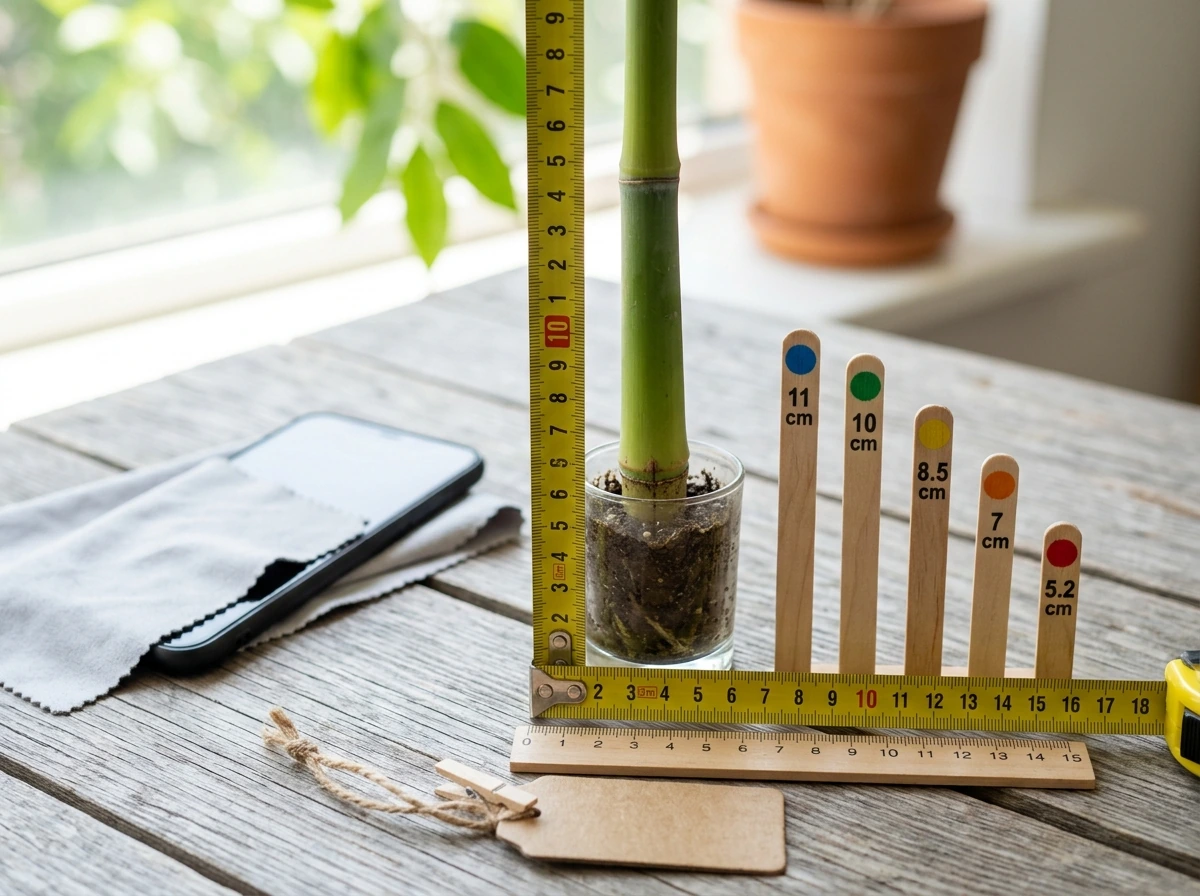
Here are practical figures for the most common searches, with honest context attached to each number.
| Timeframe | Giant/Moso (peak, mature plant) | Running bamboo (Phyllostachys, typical) | Clumping bamboo (Fargesia, typical UK/temperate) |
|---|---|---|---|
| Per minute | ~0.08 cm (just under 1 mm) | ~0.01–0.03 cm | Much less than 0.01 cm |
| Per hour | ~4.8 cm (about 2 inches) | ~0.5–1.5 cm | Negligible during non-shooting periods |
| Per day (peak season) | Up to 114.5 cm (about 45 inches) | 5–15 cm | 0.1–0.3 cm |
| Per month (growing season) | Up to 25–30 feet (750–900 cm) | 1–3 feet (30–90 cm) | 4–8 inches (10–20 cm) |
| Per year (established plant) | 30–60+ feet new cane height | 3–5 feet height gain (90–150 cm) | 1.5–2.5 feet height gain (50–75 cm) |
The 'mph' question comes up occasionally, and it's more of a fun fact than a practical metric. At peak growth of 114.5 cm per day, moso bamboo is growing at roughly 0.00003 mph. That's obviously not a speed you'd notice by watching it, but over an hour the 4.8 cm (about 2 inches) of movement on a fast-growing culm is actually visible if you mark the starting point. People genuinely do watch bamboo grow during its peak sprint, which is something you can't say about most plants.
For height in cm vs inches: 1 foot equals 30.5 cm, so the standard 3–5 feet per year for running bamboo translates to roughly 91–152 cm per year. A Fargesia gaining 75 cm per year is gaining about 29.5 inches, just under 2.5 feet.
What actually controls how fast bamboo grows
Temperature and climate
Temperature is probably the single most powerful lever. Research on Bambusa oldhamii shows significantly higher growth, dry weight, and leaf and culm allocation at temperatures above 25°C day / 20°C night compared to cooler treatments. For Phyllostachys species, soil temperature reaching around 9°C is identified as a key threshold for shoot emergence timing. Below that, shoots simply won't push. This is why UK bamboo growth (particularly in Scotland or northern England) is noticeably slower than the same species grown in the American South, Florida, or subtropical Asia. In Florida and warm Zone 8+ climates, established bamboo patches can gain 10–15 feet of overall clump height in a single season on mature running types.
Seasonality and shooting windows
Most temperate bamboos shoot in spring, typically April through June. That's it for the year. Once the shooting window closes, no new canes will grow until the following spring. Cold snaps during the shooting window can abort shoots or stunt them significantly. In the UK, a late frost in May can wipe out a season's new growth on borderline-hardy species. Hardy clumpers like Fargesia handle UK winters well but still respond to the same seasonal logic: all the year's height gain happens in a concentrated 6–8 week shooting window.
Sunlight
Most bamboos prefer full sun to partial shade. Running types like Phyllostachys perform best with at least 4–6 hours of direct sun. Fargesias are more shade tolerant, which is part of why they're popular in UK gardens with north-facing aspects or under tree canopy. Reduced light cuts growth speed. A Phyllostachys in deep shade will grow noticeably slower than the same plant in full sun, and the canes will also be thinner and weaker.
Soil, pH, and drainage
Bamboo does best in well-drained, slightly acidic to neutral soil. For Fargesia, the recommended pH range is roughly 5.5–7.0. Waterlogged or compacted soil stunts rhizome development and slows above-ground growth significantly. Loamy or sandy-loam soils with good organic matter content are ideal. Heavy clay soils slow establishment considerably unless amended.
Water
Bamboo needs consistent moisture, especially during the shooting season. A dry spring can dramatically reduce shoot height and the number of new canes produced. In drier climates, supplemental irrigation during the 6–8 week shooting window has an outsized positive effect on annual growth. Outside the shooting window, established bamboo is fairly drought tolerant, but young plants need consistent watering for the first one to two years.
Fertiliser
Nitrogen drives bamboo growth. A balanced fertiliser with a nitrogen emphasis (something like a 30-10-10 or a high-N lawn fertiliser) applied in early spring before shooting begins is the most effective timing. Research framing from UF/IFAS is useful here: nitrogen limits growth when too low, but excess nitrogen can harm plant health and the surrounding environment, so it's not a 'more is always better' situation. A single well-timed spring application followed by one in early summer is a sensible approach for most home growers.
Bamboo in the UK
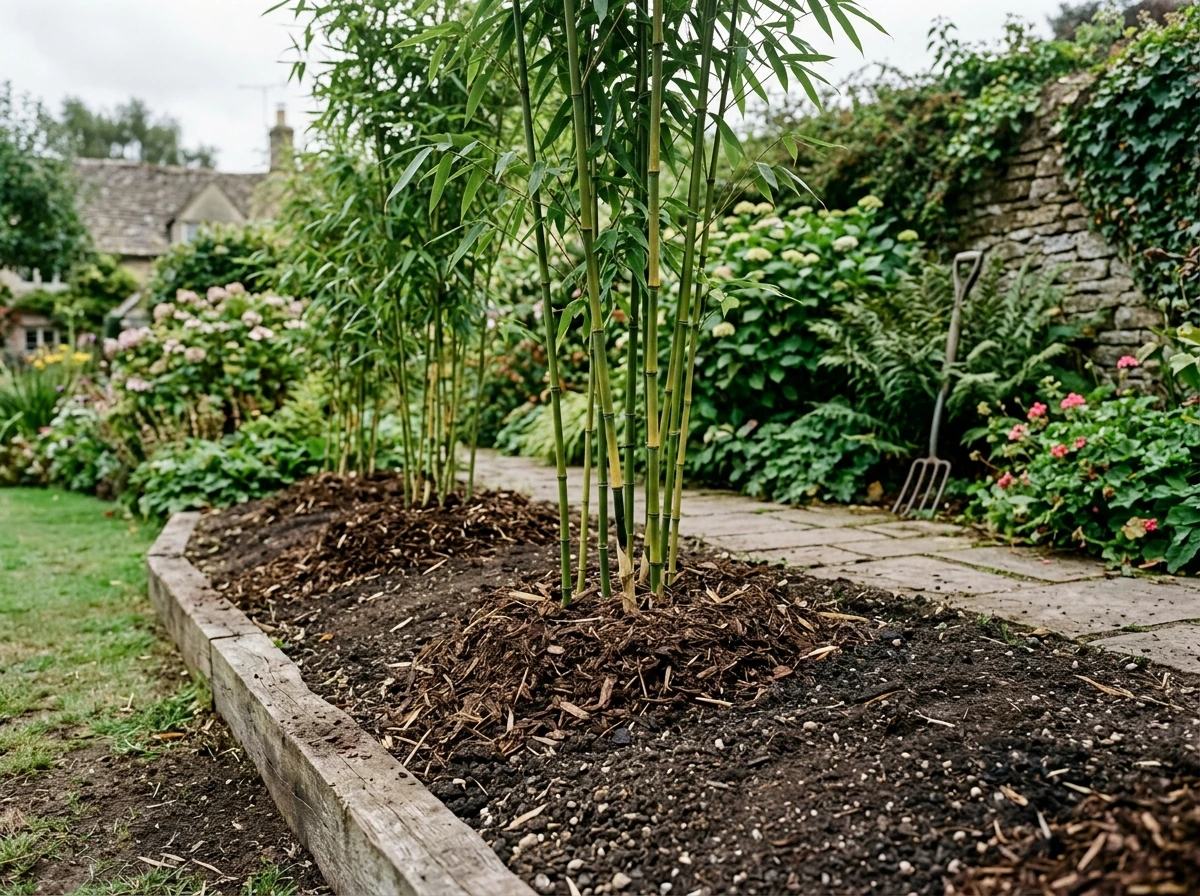
UK gardeners have a workable range of bamboo options, but it's important to be realistic. The UK's temperate, often cloudy climate means you're in the moderate growth tier, not the tropical fast-growth tier. Hardy clumpers like Fargesia murielae, Fargesia rufa (maximum height around 2 metres), and Fargesia robusta varieties are the reliable choices. Running types like Phyllostachys aurea and Phyllostachys bissettii can work in the south of England and are capable of 3–5 feet per year in a good summer, but they're more variable north of the Midlands. Moso (Phyllostachys edulis) can be grown in milder UK areas but won't reach anything close to its maximum potential growth rate in a British climate.
Growing in pots vs. in the ground, and indoor bamboo
Growing bamboo in a pot significantly restricts how fast and how tall it will grow. A running bamboo that would hit 20 feet in the ground might top out at 6–8 feet in a large container, and it will grow more slowly because the rhizome can't spread. Pot-grown bamboo also dries out much faster, which directly slows growth. If you're growing bamboo in a pot primarily for containment (a common strategy to stop running types spreading), you'll need to refresh the soil, divide the root ball every 2–3 years, and water more frequently to keep growth rates reasonable.
In-ground bamboo, with no restrictions, will always outperform potted bamboo in height and speed. For screening purposes, planting directly in the ground and using a rhizome barrier (for running types) is the best combination of performance and manageability.
Indoor bamboo is a different category. True bamboos (not lucky bamboo, which is a Dracaena) don't thrive indoors long-term. They need airflow, direct light, and outdoor temperature cycles to grow properly. You can keep small bamboo specimens indoors temporarily, but expect slow or stalled growth. Lucky bamboo, the popular houseplant sold in water or soil, grows slowly at roughly 15–30 cm per year under good indoor light conditions, and it's not a bamboo at all.
Picking the right bamboo for your goal
Fastest options if speed is the priority
If you want the fastest possible growth for screening or height, and you're in a warm climate (Zone 8 or above in the US, or southern UK at a stretch), a running Phyllostachys variety is your best bet. Phyllostachys vivax, Phyllostachys aureosulcata, and Phyllostachys bissetii are among the faster-growing hardy types. In warmer climates, Bambusa oldhamii (green bamboo) is a fast-growing clumper that won't escape into your neighbor's yard. For maximum height and growth rate in a warm climate, moso (Phyllostachys edulis) is the benchmark, but it needs space, time to establish, and consistent water and fertility.
Better choices for UK gardens and cooler climates
For UK conditions, Fargesia robusta 'Campbell' at 50–75 cm per year is a dependable, non-invasive choice for hedging. Phyllostachys aureosulcata and Phyllostachys bissetii work well in southern England. Don't plant moso in the UK expecting its tropical performance. You'll be disappointed.
Troubleshooting slow growth
If your bamboo isn't growing as expected, run through this checklist before assuming there's something wrong with the plant itself:
- Is the plant in its first year? First-year lag is normal. Give it another full growing season before drawing conclusions.
- Is the soil draining properly? Waterlogged roots stunt growth more than almost any other factor.
- Is it getting enough sun? Less than 3–4 hours of direct sun will slow most bamboos considerably.
- Did it get consistent water during the spring shooting window? A dry April or May can kill a whole season's growth potential.
- Has it been fertilised in early spring? A single nitrogen-heavy application before shooting begins makes a measurable difference.
- Is the pot too small? Pot-bound bamboo essentially stops growing. Repot or divide every 2–3 years.
- Is the soil temperature warm enough? In cool spring conditions, shoots won't push until soil reaches around 9°C at rhizome depth.
- Did a late frost hit the new shoots? Frost-damaged shoots will abort. The plant will usually recover and try again the following year, but the season is effectively lost.
Setting realistic expectations by situation
| Situation | Realistic first-year growth | Realistic by year 3–5 | Notes |
|---|---|---|---|
| Running bamboo, warm climate (Zone 8+), in ground | Short and bushy; 1–2 ft height gain | 3–5 ft/year; spreading laterally | Needs rhizome barrier if near boundaries |
| Running bamboo, temperate UK (south), in ground | Minimal visible growth | 2–4 ft/year in good conditions | Choose hardy Phyllostachys varieties |
| Clumping bamboo (Fargesia), UK, in ground | Minimal visible growth | 50–75 cm/year; reaching 1.5–2 m total | Non-invasive; reliable in UK climate |
| Moso, subtropical, in ground, mature grove | Slow establishment | Shoots gaining 30–100+ cm/day at peak | Not suitable for UK; needs warm, moist climate |
| Any bamboo, large pot outdoors | Slower than in-ground | 50–70% of in-ground rate; height capped | Divide every 2–3 years; water frequently |
| Bamboo palm (Chamaedorea) | 30–60 cm/year | Slow, max ~2–3 m | Not true bamboo; suited for indoor/tropical use |
The honest bottom line is this: bamboo is genuinely one of the fastest-growing plants on earth when the conditions are right, but 'conditions are right' is doing a lot of work in that sentence. Match your species to your climate, plant in well-drained fertile soil, water consistently through the shooting season, and give the plant two to three years to establish properly. Do those things and bamboo will reward you. Skip them and you'll spend years wondering why your bamboo looks like a house plant.
FAQ
Does bamboo grow faster in the summer, or is spring the real growth burst?
Most hardy bamboos save the big above-ground push for their spring shooting window (often April to June in temperate regions). Summer heat can help, but once the shooting period ends, the plant typically stops sending up new canes until the next spring, so “more growth” in summer usually means better conditions while shoots are already expanding.
Why is my bamboo not growing after I planted it, even though bamboo is supposed to grow fast?
That is very common. Many bamboos spend the first year (or the first 6 to 8 weeks at minimum) building rhizomes and roots, so you may see little to no height gain above ground. The key sign is whether you see healthy, expanding new shoots and new culms in the next shooting season, not whether it looks tall immediately.
If a cane grew 6 feet this year, will it keep growing taller next year like a tree?
Usually no. Bamboo does not “stretch” the same cane taller year after year. Each spring, it produces a new set of shoots, and those new canes reach that season’s height. Existing canes mainly harden, branch, and leaf out after they finish shooting.
How much can I expect from bamboo planted in partial shade compared with full sun?
Partial shade generally slows growth speed and often produces thinner canes. As a practical rule, running bamboos typically need several hours of direct sun to hit their faster annual gains, while clump-forming Fargesia tolerate shade better but still grow best when light is stronger during the shooting weeks.
What happens if there is a late frost during the shooting window?
Cold snaps can abort shoots or stunt the growth you were counting on, reducing both the number of new canes and their final height. If you’re near the edge of hardiness, plan for protection around the shooting months (for example, covering young shoots if frost threatens), because once the season’s window closes, there is usually no “second chance” flush.
Can bamboo grow fast in waterlogged soil?
Not reliably. Poor drainage and compacted soil reduce rhizome development, which directly affects how many and how quickly shoots can expand. If water sits around the base after rain, treat drainage as the first fix before fertilizing or changing watering frequency.
How often should I water during the spring shooting phase to maximize growth?
Focus watering on the 6 to 8 week shooting window, when moisture supports shoot elongation and the number of canes the plant can produce. Instead of occasional deep soaking only, aim for consistent soil moisture, then scale back after the shooting period because established bamboo is more drought tolerant than young plants.
Is fertilizing the main reason bamboo grows fast, or are there other limiting factors?
Fertilizer helps, but it is rarely the first limiting factor. Temperature, drainage, and consistent moisture during shooting usually matter more. If you fertilize heavily without meeting light and water needs, you can still get weak or delayed canes, and excess nitrogen can stress the plant and the surrounding environment.
Does bamboo grow the same speed underground as it does above ground?
No. The “fast part” people notice above ground is mostly expansion of already-formed internodes during the shooting phase, while underground growth and rhizome establishment often happen earlier or at the same time in less visible ways. That is why a plant can look unchanged before shoots finally emerge.
How long after planting should I realistically expect my first shoots to appear?
A commonly used benchmark is roughly six weeks before shoots emerge above ground, assuming conditions are appropriate. Cooler temperatures, poor drainage, or very marginal hardiness can extend that timeline, while ideal conditions and an already established root system can shorten it.
Will a pot slow bamboo growth even if I use a large container and good soil?
Yes. Containers restrict rhizome spread and can dry out faster, both of which reduce growth speed and final height. For fast growth in a running type, in-ground planting with a rhizome barrier is usually the only way to approach the height numbers you see for mature groves.
Do “giant bamboo” claims always mean the same species?
No. The marketing term “giant bamboo” is used loosely and can refer to different species with very different growth patterns and mature sizes. If you’re comparing growth rates, match the exact scientific name, because a “giant” clumper and a “giant” running bamboo may not behave the same in your climate.
How can I tell whether my bamboo is the fast-growing kind or just growing normally for my climate?
Look at the growth pattern each spring. If you see a concentrated surge over weeks (not months), and the plant produces new canes that quickly reach near-final height within about two to three months, that’s typical bamboo behavior. If it stays flat for long periods, double-check temperature hardiness, sun exposure, and drainage, because those usually explain the mismatch better than “bamboo not being fast.”}]}]}function final(){} }]}]}]}]}]}]}]}]}]}]}]}]}]}]}]}]}]}]}]}]}]}]}]}]}]}]}]}]}]}]}]}]}]}]}]}]}]}]}]}]}]}]}]}]}]}]}]}]}]}]}]}]}]}]}]}]}]}]}]}]}]}]}]}]}]}]}]}]}]}]}]}]}]}]}]}]}]}]}]}]}]}]}]}]}]}]}]}]}]}]}]}]}]}]}]}]}]}]}]}]}]}]}]}]}]}]}]}]}]}]}]}]}]}]}]}]}]}]}]}]}]}]}]}]}]}]}]}]}]}]}]}]}]}]}]}]}]}]}]}]}]}]}]}]}]}]}]}]}]}]}]}]}]}]}]}]}]}]}]}]}]}]}]}]}]}]}]}]}]}]}]}]}]}]}]}]}]}]}]}]}]}]}]}]}]}]}]}]}]}]}]}]}]}]}]}]}]}]}]}]}]}]}]}]}]}]}]}]}]}]}]}]}]}]}]}]}]}]}]}]}]}]}]}]}]}]}]}]}]}]}]}]}]}]}]}]}]}]}]}]}]}]}]}]}]}]}]}]}]}]}]}]}]}]}]}]}]}]}]}]}]}]}]}]}]}]}]}]}]}]}]}]}]}]}]}]}]}]}]}]}]}]}]}]}]}]}]}]}]}]}]}]}]}]}]}]}]}]}]}]}]}]}]}]}]}]}]}]}]}]}]}]}]}]}]}]}]}]}]}]}]}]}]}]}]}]}]}]}]}]}]}]}]}]}]}]}]}]}]}]}]}]}]}]}]}]}]}]}]}]}]}]}]}]}]}]}]}]}]}]}]}]}]}]}]}]}]}]}]}]}]}]}]}]}]}]}]}]}]}]}]}]}]}]}]}]}]}]}]}]}]}]}]}]}]}]}]}]}]}]}]}]}]}]}]}]}]}]}]}]}]}]}]}]}]}]}]}]}]}]}]}]}]}]}]}]}]}]}]}]}]}]}]}]}]}]}]}]}]}]}]}]}]}]}]}]}]}]}]}]}]}]}]}]}]}]}]}]}]}]}]}]}]}]}]}]}]}]}]}]}]}]}]}]}]}]}]}]}]}]}]}]}]}]}]}]}]}]}]}]}]}]}]}]}]}]}]}]}]}]}]}]}]}]}]}]}]}]}]}]}]}]}]}]}]}]}]}]}]}]}]}]}]}]}]}]}]}]}]}]}]}]}]}]}]}]}]}]}]}]}]}]}]}]}]}]}]}]}]}]}]}]}]}]}]}]}]}]}]}]}]}]}]}]}]}]}]}]}]}]}]}]}]}]}]}]}]}]}]}]}]}]}]}]}]}]}]}]}]}]}]}]}]}]}]}]}]}]}]}]}]}]}]}]}]}]}]}]}]}]}]}]}]}]}]}]}]}]}]}]}]}]}]}]}]}]}]}]}]}]}]}]}]}]}]}]}]}]}]}]}]}]}]}]}]}]}]}]}]}]}]}]}]}]}]}]}]}]}]}]}]}]}]}]}]}]}]}]}]}]}]}]}]}]}]}]}]}]}]}]}]}]}]}]}]}]}]}]}]}]}]}]}]}]}]}]}]}]}]}]}]}]}]}]}]}]}]}]}]}]}]}]}]}]}]}]}]}]}]}]}]}]}]}]}]}]}]}]}]}]}]}]}]}]}]}]}]}]}]}]}]}]}]}]}]}]}]}]}]}]}]}]}]}]}]}]}]}]}]}]}]}]}]}]}]}]}]}]}]}]}]}]}]}]}]}]}]}]}]}]}]}]}]}]}]}]}]}]}]}]}]}]}]}]}]}]}]}]}]}]}]}]}]}]}]}]}]}]}]}]}]}]}]}]}]}]}]}]}]}]}]}]}]}]}]}]}]}]}]}]}]}]}]}]}]}]}]}]}]}]}]}]}]}]}]}]}]}]}]}]}]}]}]}]}]}]}]}]}]}]}]}]}]}]}]}]}]}]}]}]}]}]}]}]}]}]}]}]}]}]}]}]}]}]}]}]}]}]}]}]}]}]}]}]}]}]}]}]}]}]}]}]}]}]}]}]}]}]}]}]}]}]}]}]}]}]}]}]}]}]}]}]}]}]}]}]}]}]}]}]}]}]}]}]}]}]}]}]}]}]}]}]}]}]}]}]}]}]}]}]}]}]}]}]}]}]}]}]}]}]}]}]}]}]}]}]}]}]}]}]}]}]}]}]}]}]}]}]}]}]}]}]}]}]}]}]}]}]}]}]}]}]}]}]}]}]}]}]}]}]}]}]}]}]}]}]}]}]}]}]}]}]}]}]}]}]}]}]}]}]}]}]}]}]}]}]}]}]}]}]}]}]}]}]}]}]}]}]}]}]}]}]}]}]}]}]}]}]}]}]}]}]}]}]}]}]}]}]}]}]}]}]}]}]}]}]}]}]}]}]}]}]}]}]}]}]}]}]}]}]}]}]}]}]}]}]}]}]}]}]}]}]}]}]}]}]}]}]}]}]}]}]}]}]}]}]}]}]}]}]}]}]}]}]}]}]}]}]}]}]}]}]}]}]}]}]}]}]}]}]}]}]}]}]}]}]}]}]}]}]}]}]}]}]}]}]}]}]}]}]}]}]}]}]}]}]}]}]}]}]}]}]}]}]}]}]}]}]}]}]}]}]}]}]}]}]}]}]}]}]}]}]}]}]}]}]}]}]}]}]}]}]}]}]}]}]}]}]}]}]}]}]}]}]}]}]}]}]}]}]}]}]}]}]}]}]}]}]}]}]}]}]}]}]}]}]}]}]}]}]}]}]}]}]}]}]}]}]}]}]}]}]}]}]}]}]}]}]}]}]}]}]}]}]}]}]}]}]}]}]}]}]}]}]}]}]}]}]}]}]}]}]}]}]}]}]}]}]}]}]}]}]}]}]}]}]}]}]}]}]}]}]}]}]}]}]}]}]}]}]}]}]}]}]}]}]}]}]}]}]}]}]}]}]}]}]}]}]}]}]}]}]}]}]}]}]}]}]}]}]}]}]}]}]}]}]}]}]}]}]}]}]}]}]}]}]}]}]}]}]}]}]}]}]}]}]}]}]}]}]}]}]}]}]}]}]}]}]}]}]}]}]}]}]}]}]}]}]}]}]}]}]}]}]}]}]}]}]}]}]}]}]}]}]}]}]}]}]}]}]}]}]}]}]}]}]}]}]}]}]}]}]}]}]}]}]}]}]}]}]}]}]}]}]}]}]}]}]}]}]}]}]}]}]}]}]}]}]}]}]}]}]}]}]}]}]}]}]}]}]}]}]}]}]}]}]}]}]}]}]}]}]}]}]}]}]}]}]}]}]}]}]}]}]}]}]}]}]}]}]}]}]}]}]}]}]}]}]}]}]}]}]}]}]}]}]}]}]}]}]}]}]}]}]}]}]}]}]}]}]}]}]}]}]}]}]}]}]}]}]}]}]}]}]}]}]}]}]}]}]}]}]}]}]}]}]}]}]}]}]}]}]}]}]}]}]}]}]}]}]}]}]}]}]}]}]}]}]}]}]}]}]}]}]}]}]}]}]}]}]}]}]}]}]}]}]}]}]}]}]}]}]}]}]}]}]}]}]}]}]}]}]}]}]}]}]}]}]}]}]}]}]}]}]}]}]}]}]}]}]}]}]}]}]}]}]}]}]}]}]}]}]}]}]}]}]}]}]}]}]}]}]}]}]}]}]}]}]}]}]}]}]}]}]}]}]}]}]}]}]}]}]}]}]}]}]}]}]}]}]}]}]}]}]}]}]}]}]}]}]}]}]}]}]}]}]}]}]}]}]}]}]}]}]}]}]}]}]}]}]}]}]}]}]}]}]}]}]}]}]}]}]}]}]}]}]}]}]}]}]}]}]}]}]}]}]}]}]}]}]}]}]}]}]}]}]}]}]}]}]}]}]}]}]}]}]}]}]}]}]}]}]}]}]}]}]}]}]}]}]}]}]}]}]}]}]}]}]}]}]}]}]}]}]}]}]}]}]}]}]}]}]}]}]}]}]}]}]}]}]}]}]}]}]}]}]}]}]}]}]}]}]}]}]}]}]}]}]}]}]}]}]}]}]}]}]}]}]}]}]}]}]}]}]}]}]}]}]}]}]}]}]}]}]}]}]}]}]}]}]}]}]}]}]}]}]}]}]}]}]}]}]}]}]}]}]}]}]}]}]}]}]}]}]}]}]}]}]}]}]}]}]}]}]}]}]}]}]}]}]}]}]}]}]}]}]}]}]}]}]}]}]}]}]}]}]}]}]}]}]}]}]}]}]}]}]}]}]}]}]}]}]}]}]}]}]}]}]}]}]}]}]}]}]}]}]}]}]}]}]}]}]}]}]}]}]}]}]}]}]}]}]}]}]}]}]}]}]}]}]}]}]}]}]}]}]}]}]}]}]}]}]}]}]}]}]}]}]}]}]}]}]}]}]}]}]}]}]}]}]}]}]}]}]}]}]}]}]}]}]}]}]}]}]}]}]}]}]}]}]}]}]}]}]}]}]}]}]}]}]}]}]}]}]}]}]}]}]}]}]}]}]}]}]}]}]}]}]}]}]}]}]}]}]}]}]}]}]}]}]}]}]}]}]}]}]}]}]}]}]}]}]}]}]}]}]}]}]}]}]}]}]}]}]}]}]}]}]}]}]}]}]}]}]}]}]}]}]}]}]}]}]}]}]}]}]}]}]}]}]}]}]}]}]}]}]}]}]}]}]}]}]}]}]}]}]}]}]}]}]}]}]}]}]}]}]}]}]}]}]}]}]}]}]}]}]}]}]}]}]}]}]}]}]}]}]}]}]}]}]}]}]}]}]}]}]}]}]}]}]}]}]}]}]}]}]}]}]}]}]}]}]}]}]}]}]}]}]}]}]}]}]}]}]}]}]}]}]}]}]}]}]}]}]}]}]}]}]}]}]}]}]}]}]}]}]}]}]}]}]}]}]}]}]}]}]}]}]}]}]}]}]}]}]}]}]}]}]}]}]}]}]}]}]}]}]}]}]}]}]}]}]}]}]}]}]}]}]}]}]}]}]}]}]}]}]}]}]}]}]}]}]}]}]}]}]}]}]}]}]}]}]}]}]}]}]}]}]}]}]}]}]}]}]}]}]}]}]}]}]}]}]}]}]}]}]}]}]}]}]}]}]}]}]}]}]}]}]}]}]}]}]}]}]}]}]}]}]}]}]}]}]}]}]}]}]}]}]}]}]}]}]}]}]}]}]}]}]}]}]}]}]}]}]}]}]}]}]}]}]}]}]}]}]}]}]}]}]}]}]}]}]}]}]}]}]}]}]}]}]}]}]}]}]}]}]}]}]}]}]}]}]}]}]}]}]}]}]}]}]}]}]}]}]}]}]}]}]}]}]}]}]}]}]}]}]}]}]}]}]}]}]}]}]}]}]}]}]}]}]}]}]}]}]}]}]}]}]}]}]}]}]}]}]}]}]}]}]}]}]}]}]}]}]}]}]}]}]}]}]}]}]}]}]}]}]}]}]}]}]}]}]}]}]}]}]}]}]}]}]}]}]}]}]}]}]}]}]}]}]}]}]}]}]}]}]}]}]}]}]}]}]}]}]}]}]}]}]}]}]}]}]}]}]}]}]}]}]}]}]}]}]}]}]}]}]}]}]}]}]}]}]}]}]}]}]}]}]}]}]}]}]}]}]}]}]}]}]}]}]}]}]}]}]}]}]}]}]}]}]}]}]}]}]}]}]}]}]}]}]}]}]}]}]}]}]}]}]}]}]}]}]}]}]}]}]}]}]}]}]}]}]}]}]}]}]}]}]}]}]}]}]}]}]}]}]}]}]}]}]}]}]}]}]}]}]}]}]}]}]}]}]}]}]}]}]}]}]}]}]}]}]}]}]}]}]}]}]}]}]}]}]}]}]}]}]}]}]}]}]}]}]}]}]}]}]}]}]}]}]}]}]}]}]}]}]}]}]}]}]}]}]}]}]}]}]}]}]}]}]}]}]}]}]}]}]}]}]}]}]}]}]}]}]}]}]}]}]}]}]}]}]}]}]}]}]}]}]}]}]}]}]}]}]}]}]}]}]}]}]}]}]}]}]}]}]}]}]}]}]}]}]}]}]}]}]}]}]}]}]}]}]}]}]}]}]}]}]}]}]}]}]}]}]}]}]}]}]}]}]}]}]}]}]}]}]}]}]}]}]}]}]}]}]}]}]}]}]}]}]}]}]}]}]}]}]}]}]}]}]}]}]}]}]}]}]}]}]}]}]}]}]}]}]}]}]}]}]}]}]}]}]}]}]}]}]}]}]}]}]}]}]}]}]}]}]}]}]}]}]}]}]}]}]}]}]}]}]}]}]}]}]}]}]}]}]}]}]}]}]}]}]}]}]}]}]}]}]}]}]}]}]}]}]}]}]}]}]}]}]}]}]}]}]}]}]}]}]}]}]}]}]}]}]}]}]}]}]}]}]}]}]}]}]}]}]}]}]}]}]}]}]}]}]}]}]}]}]}]}]}]}]}]}]}]}]}]}]}]}]}]}]}]}]}]}]}]}]}]}]}]}]}]}]}]}]}]}]}]}]}]}]}]}]}]}]}]}]}]}]}]}]}]}]}]}]}]}]}]}]}]}]}]}]}]}]}]}]}]}]}]}]}]}]}]}]}]}]}]}]}]}]}]}]}]}]}]}]}]}]}]}]}]}]}]}]}]}]}]}]}]}]}]}]}]}]}]}]}]}]}]}]}]}]}]}]}]}]}]}]}]}]}]}]}]}]}]}]}]}]}]}]}]}]}]}]}]}]}]}]}]}]}]}]}]}]}]}]}]}]}]}]}]}]}]}]}]}]}]}]}]}]}]}]}]}]}]}]}]}]}]}]}]}]}]}]}]}]}]}]}]}]}]}]}]}]}]}]}]}]}]}]}]}]}]}]}]}]}]}]}]}]}]}]}]}]}]}]}]}]}]}]}]}]}]}]}]}]}]}]}]}]}]}]}]}]}]}]}]}]}]}]}]}]}]}]}]}]}]}]}]}]}]}]}]}]}]}]}]}]}]}]}]}]}]}]}]}]}]}]}]}]}]}]}]}]}]}]}]}]}]}]}]}]}]}]}]}]}]}]}]}]}]}]}]}]}]}]}]}]}]}]}]}]}]}]}]}]}]}]}]}]}]}]}]}]}]}]}]}]}]}]}]}]}]}]}]}]}]}]}]}]}]}]}]}]}]}]}]}]}]}]}]}]}]}]}]}]}]}]}]}]}]}]}]}]}]}]}]}]}]}]}]}]}]}]}]}]}]}]}]}]}]}]}]}]}]}]}]}]}]}]}]}]}]}]}]}]}]}]}]}]}]}]}]}]}]}]}]}]}]}]}]}]}]}]}]}]}]}]}]}]}]}]}]}]}]}]}]}]}]}]}]}]}]}]}]}]}]}]}]}]}]}]}]}]}]}]}]}]}]}]}]}]}]}]}]}]}]}]}]}]}]}]}]}]}]}]}]}]}]}]}]}]}]}]}]}]}]}]}]}]}]}]}]}]}]}]}]}]}]}]}]}]}]}]}]}]}]}]}]}]}]}]}]}]}]}]}]}]}]}]}]}]}]}]}]}]}]}]}]}]}]}]}]}]}]}]}]}]}]}]}]}]}]}]}]}]}]}]}]}]}]}]}]}]}]}]}]}]}]}]}]}]}]}]}]}]}]}]}]}]}]}]}]}]}]}]}]}]}]}]}]}]}]}]}]}]}]}]}]}]}]}]}]}]}]}]}]}]}]}]}]}]}]}]}]}]}]}]}]}]}]}]}]}]}]}]}]}]}]}]}]}]}]}]}]}]}]}]}]}]}]}]}]}]}]}]}]}]}]}]}]}]}]}]}]}]}]}]}]}]}]}]}]}]}]}]}]}]}]}]}]}]}]}]}]}]}]}]}]}]}]}]}]}]}]}]}]}]}]}]}]}]}]}]}]}]}]}]}]}]}]}]}]}]}]}]}]}]}]}]}]}]}]}]}]}]}]}]}]}]}]}]}]}]}]}]}]}]}]}]}]}]}]}]}]}]}]}]}]}]}]}]}]}]}]}]}]}]}]}]}]}]}]}]}]}]}]}]}]}]}]}]}]}]}]}]}]}]}]}]}]}]}]}]}]}]}]}]}]}]}]}]}]}]}]}]}]}]}]}]}]}]}]}]}]}]}]}]}]}]}]}]}]}]}]}]}]}]}]}]}]}]}]}]}]}]}]}]}]}]}]}]}]}]}]}]}]}]}]}]}]}]}]}]}]}]}]}]}]}]}]}]}]}]}]}]}]}]}]}]}]}]}]}]}]}]}]}]}]}]}]}]}]}]}]}]}]}]}]}]}]}]}]}]}]}]}]}]}]}]}]}]}]}]}]}]}]}]}]}]}]}]}]}]}]}]}]}]}]}]}]}]}]}]}]}]}]}]}]}]}]}]}]}]}]}]}]}]}]}]}]}]}]}]}]}]}]}]}]}]}]}]}]}]}]}]}]}]}]}]}]}]}]}]}]}]}]}]}]}]}]}]}]}]}]}]}]}]}]}]}]}]}]}]}]}]}]}]}]}]}]}]}]}]}]}]}]}]}]}]}]}]}]}]}]}]}]}]}]}]}]}]}]}]}]}]}]}]}]}]}]}]}]}]}]}]}]}]}]}]}]}]}]}]}]}]}]}]}]}]}]}]}]}]}]}]}]}]}]}]}]}]}]}]}]}]}]}]}]}]}]}]}]}]}]}]}]}]}]}]}]}]}]}]}]}]}]}]}]}]}]}]}]}]}]}]}]}]}]}]}]}]}]}]}]}]}]}]}]}]}]}]}]}]}]}]}]}]}]}]}]}]}]}]}]}]}]}]}]}]}]}]}]}]}]}]}]}]}]}]}]}]}]}]}]}]}]}]}]}]}]}]}]}]}]}]}]}]}]}]}]}]}]}]}]}]}]}]}]}]}]}]}]}]}]}]}]}]}]}]}]}]}]}]}]}]}]}]}]}]}]}]}]}]}]}]}]}]}]}]}]}]}]}]}]}]}]}]}]}]}]}]}]}]}]}]}]}]}]}]}]}]}]}]}]}]}]}]}]}]}]}]}]}]}]}]}]}]}]}]}]}]}]}]}]}]}]}]}]}]}]}]}]}]}]}]}]}]}]}]}]}]}]}]}]}]}]}]}]}]}]}]}]}]}]}]}]}]}]}]}]}]}]}]}]}]}]}]}]}]}]}]}]}]}]}]}]}]}]}]}]}]}]}]}]}]}]}]}]}]}]}]}]}]}]}]}]}]}]}]}]}]}]}]}]}]}]}]}]}]}]}]}]}]}]}]}]}]}]}]}]}]}]}]}]}]}]}]}]}]}]}]}]}]}]}]}]}]}]}]}]}]}]}]}]}]}]}]}]}]}]}]}]}]}]}]}]}]}]}]}]}]}]}]}]}]}]}]}]}]}]}]}]}]}]}]}]}]}]}]}]}]}]}]}]}]}]}]}]}]}]}]}]}]}]}]}]}]}]}]}]}]}]}]}]}]}]}]}]}]}]}]}]}]}]}]}]}]}]}]}]}]}]}]}]}]}]}]}]}]}]}]}]}]}]}]}]}]}]}]}]}]}]}]}]}]}]}]}]}]}]}]}]}]}]}]}]}]}]}]}]}]}]}]}]}]}]}]}]}]}]}]}]}]}]}]}]}]}]}]}]}]}]}]}]}]}]}]}]}]}]}]}]}]}]}]}]}]}]}]}]}]}]}]}]}]}]}]}]}]}]}]}]}]}]}]}]}]}]}]}]}]}]}]}]}]}]}]}]}]}]}]}]}]}]}]}]}]}]}]}]}]}]}]}]}]}]}]}]}]}]}]}]}]}]}]}]}]}]}]}]}]}]}]}]}]}]}]}]}]}]}]}]}]}]}]}]}]}]}]}]}]}]}]}]}]}]}]}]}]}]}]}]}]}]}]}]}]}]}]}]}]}]}]}]}]}]}]}]}]}]}]}]}]}]}]}]}]}]}]}]}]}]}]}]}]}]}]}]}]}]}]}]}]}]}]}]}]}]}]}]}]}]}]}]}]}]}]}]}]}]}]}]}]}]}]}]}]}]}]}]}]}]}]}]}]}]}]}]}]}]}]}]}]}]}]}]}]}]}]}]}]}]}]}]}]}]}]}]}]}]}]}]}]}]}]}]}]}]}]}]}]}]}]}]}]}]}]}]}]}]}]}]}]}]}]}]}]}]}]}]}]}]}]}]}]}]}]}]}]}]}]}]}]}]}]}]}]}]}]}]}]}]}]}]}]}]}]}]}]}]}]}]}]}]}]}]}]}]}]}]}]}]}]}]}]}]}]}]}]}]}]}]}]}]}]}]}]}]}]}]}]}]}]}]}]}]}]}]}]}]}]}]}]}]}]}]}]}]}]}]}]}]}]}]}]}]}]}]}]}]}]}]}]}]}]}]}]}]}]}]}]}]}]}]}]}]}]}]}]}]}]}]}]}]}]}]}]}]}]}]}]}]}]}]}]}]}]}]}]}]}]}]}]}]}]}]}]}]}]}]}]}]}]}]}]}]}]}]}]}]}]}]}]}]}]}]}]}]}]}]}]}]}]}]}]}]}]}]}]}]}]}]}]}]}]}]}]}]}]}]}]}]}]}]}]}]}]}]}]}]}]}]}]}]}]}]}]}]}]}]}]}]}]}]}]}]}]}]}]}]}]}]}]}]}]}]}]}]}]}]}]}]}]}]}]}]}]}]}]}]}]}]}]}]}]}]}]}]}]}]}]}]}]}]}]}]}]}]}]}]}]}]}]}]}]}]}]}]}]}]}]}]}]}]}]}]}]}]}]}]}]}]}]}]}]}]}]}]}]}]}]}]}]}]}]}]}]}]}]}]}]}]}]}]}]}]}]}]}]}]}]}]}]}]}]}]}]}]}]}]}]}]}]}]}]}]}]}]}]}]}]}]}]}]}]}]}]}]}]}]}]}]}]}]}]}]}]}]}]}]}]}]}]}]}]}]}]}]}]}]}]}]}]}]}]}]}]}]}]}]}]}]}]}]}]}]}]}]}]}]}]}]}]}]}]}]}]}]}]}]}]}]}]}]}]}]}]}]}]}]}]}]}]}]}]}]}]}]}]}]}]}]}]}]}]}]}}]}]}]}]}]}]}]}]}]}]}]}]}]}]}]}]}]}]}]}]}]}]}]}]}]}]}]}]}]}]}]}]}]}]}]}]}]}]}]}]}]}]}]}]}]}]}]}]}]}]}]}]}]}]}]}]}]}]}]}]}]}]}]}]}]}]}]}]}]}]}]}]}]}]}]}]}]}]}]}]}]}]}]}]}]}]}]}]}]}]}]}]}]}]}]}]}]}]}]}]}]}]}]}]}]}]}]}]}]}]}]}]}]}]}]}]}]}]}]}]}]}]}]}]}]}]}]}]}]}]}]}]}]}]}]}]}]}]}]}]}]}]}]}]}]}]}]}]}]}]}]}]}]}]}]}]}]}]}]}]}]}]}]}]}]}]}]}]}]}]}]}]}]}]}]}]}]}]}]}]}]}]}]}]}]}]}]}]}]}]}]}]}]}]}]}]}]}]}]}]}]}]}]}]}]}]}]}]}]}]}]}]}]}]}]}]}]}]}]}]}]}]}]}]}]}]}]}]}]}]}]}]}]}]}]}]}]}]}]}]}]}]}]}]}]}]}]}]}]}]}]}]}]}]}]}]}]}]}]}]}]}]}]}]}]}]}]}]}]}]}]}]}]}]}]}]}]}]}]}]}]}]}]}]}]}]}]}]}]}]}]}]}]}]}]}]}]}]}]}]}]}]}]}]}]}]}]}]}]}]}]}]}]}]}]}]}]}]}]}]}]}]}]}]}]}]}]}]}]}]}]}]}]}]}]}]}]}]}]}]}]}]}]}]}]}]}]}]}]}]}]}]}]}]}]}]}]}]}]}]}]}]}]}]}]}]}]}]}]}]}]}]}]}]}]}]}]}]}]}]}]}]}]}]}]}]}]}]}]}]}]}]}]}]}]}]}]}]}]}]}]}]}]}]}]}]}]}]}]}]}]}]}]}]}]}]}]}]}]}]}]}]}]}]}]}]}]}]}]}]}]}]}]}]}]}]}]}]}]}]}]}]}]}]}]}]}]}]}]}]}]}]}]}]}]}]}]}]}]}]}]}]}]}]}]}]}]}]}]}]}]}]}]}]}]}]}]}]}]}]}]}]}]}]}]}]}]}]}]}]}]}]}]}]}]}]}]}]}]}]}]}]}]}]}]}]}]}]}]}]}]}]}]}]}]}]}]}]}]}]}]}]}]}]}]}]}]}]}]}]}]}]}]}]}]}]}]}]}]}]}]}]}]}]}]}]}]}]}]}]}]}]}]}]}]}]}]}]}]}]}]}]}]}]}]}]}]}]}]}]}]}]}]}]}]}]}]}]}]}]}]}]}]}]}]}]}]}]}]}]}]}]}]}]}]}]}]}]}]}]}]}]}]}]}]}]}]}]}]}]}]}]}]}]}]}]}]}]}]}]}]}]}]}]}]}]}]}]}]}]}]}]}]}]}]}]}]}]}]}]}]}]}]}]}]}]}]}]}]}]}]}]}]}]}]}]}]}]}]}]}]}]}]}]}]}]}]}]}]}]}]}]}]}]}]}]}]}]}]}]}]}]}]}]}]}]}]}]}]}]}]}]}]}]}]}]}]}]}]}]}]}]}]}]}]}]}]}]}]}]}]}]}]}]}]}]}]}]}]}]}]}]}]}]}]}]}]}]}]}]}]}]}]}]}]}]}]}]}]}]}]}]}]}]}]}]}]}]}]}]}]}]}]}]}]}]}]}]}]}]}]}]}]}]}]}]}]}]}]}]}]}]}]}]}]}]}]}]}]}]}]}]}]}]}]}]}]}]}]}]}]}]}]}]}]}]}]}]}]}]}]}]}]}]}]}]}]}]}]}]}]}]}]}]}]}]}]}]}]}]}]}]}]}]}]}]}]}]}]}]}]}]}]}]}]}]}]}]}]}]}]}]}]}]}]}]}]}]}]}]}]}]}]}]}]}]}]}]}]}]}]}]}]}]}]}]}]}]}]}]}]}]}]}]}]}]}]}]}]}]}]}]}]}]}]}]}]}]}]}]}]}]}]}]}]}]}]}]}]}]}]}]}]}]}]}]}]}]}]}]}]}]}]}]}]}]}]}]}]}]}]}]}]}]}]}]}]}]}]}]}]}]}]}]}]}]}]}]}]}]}]}]}]}]}]}]}]}]}]}]}]}]}]}]}]}]}]}]}]}]}]}]}]}]}]}]}]}]}]}]}]}]}]}]}]}]}]}]}]}]}]}]}]}]}]}]}]}]}]}]}]}]}]}]}]}]}]}]}]}]}]}]}]}]}]}]}]}]}]}]}]}]}]}]}]}]}]}]}]}]}]}]}]}]}]}]}]}]}]}]}]}]}]}]}]}]}]}]}]}]}]}]}]}]}]}]}]}]}]}]}]}]}]}]}]}]}]}]}]}]}]}]}]}]}]}]}]}]}]}]}]}]}]}]}]}]}]}]}]}]}]}]}]}]}]}]}]}]}]}]}]}]}]}]}]}]}]}]}]}]}]}]}]}]}]}]}]}]}]}]}]}]}]}]}]}]}]}]}]}]}]}]}]}]}]}]}]}]}]}]}]}]}]}]}]}]}]}]}]}]}]}]}]}]}]}]}]}]}]}]}]}]}]}]}]}]}]}]}]}]}]}]}]}]}]}]}]}]}]}]}]}]}]}]}]}]}]}]}]}]}]}]}]}]}]}]}]}]}]}]}]}]}]}]}]}]}]}]}]}]}]}]}]}]}]}]}]}]}]}]}]}]}]}]}]}]}]}]}]}]}]}]}]}]}]}]}]}]}]}]}]}]}]}]}]}]}]}]}]}]}]}]}]}]}]}]}]}]}]}]}]}]}]}]}]}]}]}]}]}]}]}]}]}]}]}]}]}]}]}]}]}]}]}]}]}]}]}]}]}]}]}]}]}]}]}]}]}]}]}]}]}]}]}]}]}]}]}]}]}]}]}]}]}]}]}]}]}]}]}]}]}]}]}]}]}]}]}]}]}]}]}]}]}]}]}]}]}]}]}]}]}]}]}]}]}]}]}]}]}]}]}]}]}]}]}]}]}]}]}]}]}]}]}]}]}]}]}]}]}]}]}]}]}]}]}]}]}]}]}]}]}]}]}]}]}]}]}]}]}]}]}]}]}]}]}]}]}]}]}]}]}]}]}]}]}]}]}]}]}]}]}]}]}]}]}]}]}]}]}]}]}]}]}]}]}]}]}]}]}]}]}]}]}]}]}]}]}]}]}]}]}]}]}]}]}]}]}]}]}]}]}]}]}]}]}]}]}]}]}]}]}]}]}]}]}]}]}]}]}]}]}]}]}]}]}]}]}]}]}]}]}]}]}]}]}]}]}]}]}]}]}]}]}]}]}]}]}]}]}]}]}]}]}]}]}]}]}]}]}]}]}]}]}]}]}]}]}]}]}]}]}]}]}]}]}]}]}]}]}]}]}]}]}]}]}]}]}]}]}]}]}]}]}]}]}]}]}]}]}]}]}]}]}]}]}]}]}]}]}]}]}]}]}]}]}]}]}]}]}]}]}]}]}]}]}]}]}]}]}]}]}]}]}]}]}]}]}]}]}]}]}]}]}]}]}]}]}]}]}]}]}]}]}]}]}]}]}]}]}]}]}]}]}]}]}]}]}]}]}]}]}]}]}]}]}]}]}]}]}]}]}]}]}]}]}]}]}]}]}]}]}]}]}]}]}]}]}]}]}]}]}]}]}]}]}]}]}]}]}]}]}]}]}]}]}]}]}]}]}]}]}]}]}]}]}]}]}]}]}]}]}]}]}]}]}]}]}]}]}]}]}]}]}]}]}]}]}]}]}]}]}]}]}]}]}]}]}]}]}]}]}]}]}]}]}]}]}]}]}]}]}]}]}]}]}]}]}]}]}]}]}]}]}]}]}]}]}]}]}]}]}]}]}]}]}]}]}]}]}]}]}]}]}]}]}]}]}]}]}]}]}]}]}]}]}]}]}]}]}]}]}]}]}]}]}]}]}]}]}]}]}]}]}]}]}]}]}]}]}]}]}]}]}]}]}]}]}]}]}]}]}]}]}]}]}]}]}]}]}]}]}]}]}]}]}]}]}]}]}]}]}]}]}]}]}]}]}]}]}]}]}]}]}]}]}]}]}]}]}]}]}]}]}]}]}]}]}]}]}]}]}]}]}]}]}]}]}]}]}]}]}]}]}]}]}]}]}]}]}]}]}]}]}]}]}]}]}]}]}]}]}]}]}]}]}]}]}]}]}]}]}]}]}]}]}]}]}]}]}]}]}]}]}]}]}]}]}]}]}]}]}]}]}]}]}]}]}]}]}]}]}]}]}]}]}]}]}]}]}]}]}]}]}]}]}]}]}]}]}]}]}]}]}]}]}]}]}]}]}]}]}]}]}]}]}]}]}]}]}]}]}]}]}]}]}]}]}]}]}]}]}]}]}]}]}]}]}]}]}]}]}]}]}]}]}]}]}]}]}]}]}]}]}]}]}]}]}]}]}]}]}]}]}]}]}]}]}]}]}]}]}]}]}]}]}]}]}]}]}]}]}]}]}]}]}]}]}]}]}]}]}]}]}]}]}]}]}]}]}]}]}]}]}]}]}]}]}]}]}]}]}]}]}]}]}]}]}]}]}]}]}]}]}]}]}]}]}]}]}]}]}]}]}]}]}]}]}]}]}]}]}]}]}]}]}]}]}]}]}]}]}]}]}]}]}]}]}]}]}]}]}]}]}]}]}]}]}]}]}]}]}]}]}]}]}]}]}]}]}]}]}]}]}]}]}]}]}]}]}]}]}]}]}]}]}]}]}]}]}]}]}]}]}]}]}]}]}]}]}]}]}]}]}]}]}]}]}]}]}]}]}]}]}]}]}]}]}]}]}]}]}]}]}]}]}]}]}]}]}]}]}]}]}]}]}]}]}]}]}]}]}]}]}]}]}]}]}]}]}]}]}]}]}]}]}]}]}]}]}]}]}]}]}]}]}]}]}]}]}]}]}]}]}]}]}]}]}]}]}]}]}]}]}]}]}]}]}]}]}]}]}]}]}]}]}]}]}]}]}]}]}]}]}]}]}]}]}]}]}]}]}]}]}]}]}]}]}]}]}]}]}]}]}]}]}]}]}]}]}]}]}]}]}]}]}]}]}]}]}]}]}]}]}]}]}]}]}]}]}]}]}]}]}]}]}]}]}]}]}]}]}]}]}]}]}]}]}]}]}]}]}]}]}]}]}]}]}]}]}]}]}]}]}]}]}]}]}]}]}]}]}]}]}]}]}]}]}]}]}]}]}]}]}]}]}]}]}]}]}]}]}]}]}]}]}]}]}]}]}]}]}]}]}]}]}]}]}]}]}]}]}]}]}]}]}]}]}]}]}]}]}]}]}]}]}]}]}]}]}]}]}]}]}]}]}]}]}]}]}]}]}]}]}]}]}]}]}]}]}]}]}]}]}]}]}]}]}]}]}]}]}]}]}]}]}]}]}]}]}]}]}]}]}]}]}]}]}]}]}]}]}]}]}]}]}]}]}]}]}]}]}]}]}]}]}]}]}]}]}]}]}]}]}]}]}]}]}]}]}]}]}]}]}]}]}]}]}]}]}]}]}]}]}]}]}]}]}]}]}]}]}]}]}]}]}]}]}]}]}]}]}]}]}]}]}]}]}]}]}]}]}]}]}]}]}]}]}]}]}]}]}]}]}]}]}]}]}]}]}]}]}]}]}]}]}]}]}]}]}]}]}]}]}]}]}]}]}]}]}]}]}]}]}]}]}]}]}]}]}]}]}]}]}]}]}]}]}]}]}]}]}]}]}]}]}]}]}]}]}]}]}]}]}]}]}]}]}]}]}]}]}]}]}]}]}]}]}]}]}]}]}]}]}]}]}]}]}]}]}]}]}]}]}]}]}]}]}]}]}]}]}]}]}]}]}]}]}]}]}]}]}]}]}]}]}]}]}]}]}]}]}]}]}]}]}]}]}]}]}]}]}]}]}]}]}]}]}]}]}]}]}]}]}]}]}]}]}]}]}]}]}]}]}]}]}]}]}]}]}]}]}]}]}]}]}]}]}]}]}]}]}]}]}]}]}]}]}]}]}]}]}]}]}]}]}]}]}]}]}]}]}]}]}]}]}]}]}]}]}]}]}]}]}]}]}]}]}]}]}]}]}]}]}]}]}]}]}]}]}]}]}]}]}]}]}]}]}]}]}]}]}]}]}]}]}]}]}]}]}]}]}]}]}]}]}]}]}]}]}]}]}]}]}]}]}]}]}]}]}]}]}]}]}]}]}]}]}]}]}]}]}]}]}]}]}]}]}]}]}]}]}]}]}]}]}]}]}]}]}]}]}]}]}]}]}]}]}]}]}]}]}]}]}]}]}]}]}]}]}]}]}]}]}]}]}]}]}]}]}]}]}]}]}]}]}]}]}]}]}]}]}]}]}]}]}]}]}]}]}]}]}]}]}]}]}]}]}]}]}]}]}]}]}]}]}]}]}]}]}]}]}]}]}]}]}]}]}]}]}]}]}]}]}]}]}]}]}]}]}]}]}]}]}]}]}]}]}]}]}]}]}]}]}]}]}]}]}]}]}]}]}]}]}]}]}]}]}]}]}]}]}]}]}]}]}]}]}]}]}]}]}]}]}]}]}]}]}]}]}]}]}]}]}]}]}]}]}]}]}]}]}]}]}]}]}]}]}]}]}]}]}]}]}]}]}]}]}]}]}]}]}]}]}]}]}]}]}]}]}]}]}]}]}]}]}]}]}]}]}]}]}]}]}]}]}]}]}]}]}]}]}]}]}]}]}]}]}]}]}]}]}]}]}]}]}]}]}]}]}]}]}]}]}]}]}]}]}]}]}]}]}]}]}]}]}]}]}]}]}]}]}]}]}]}]}]}]}]}]}]}]}]}]}]}]}]}]}]}]}]}]}]}]}]}]}]}]}]}]}]}]}]}]}]}]}]}]}]}]}]}]}]}]}]}]}]}]}]}]}]}]}]}]}]}]}]}]}]}]}]}]}]}]}]}]}]}]}]}]}]}]}]}]}]}]}]}]}]}]}]}]}]}]}]}]}]}]}]}]}]}]}]}]}]}]}]}]}]}]}]}]}]}]}]}]}]}]}]}]}]}]}]}]}]}]}]}]}]}]}]}]}]}]}]}]}]}]}]}]}]}]}]}]}]}]}]}]}]}]}]}]}]}]}]}]}]}]}]}]}]}]}]}]}]}]}]}]}]}]}]}]}]}]}]}]}]}]}]}]}]}]}]}]}]}]}]}]}]}]}]}]}]}]}]}]}]}]}]}]}]}]}]}]}]}]}]}]}]}]}]}]}]}]}]}]}]}]}]}]}]}]}]}]}]}]}]}]}]}]}]}]}]}]}]}]}]}]}]}]}]}]}]}]}]}]}]}]}]}]}]}]}]}]}]}]}]}]}]}]}]}]}]}]}]}]}]}]}]}]}]}]}]}]}]}]}]}]}]}]}]}]}]}]}]}]}]}]}]}]}]}]}]}]}]}]}]}]}]}]}]}]}]}]}]}]}]}]}]}]}]}]}]}]}]}]}]}]}]}]}]}]}]}]}]}]}]}]}]}]}]}]}]}]}]}]}]}]}]}]}]}]}]}]}]}]}]}]}]}]}]}]}]}]}]}]}]}]}]}]}]}]}]}]}]}]}]}]}]}]}]}]}]}]}]}]}]}]}]}]}]}]}]}]}]}]}]}]}]}]}]}]}]}]}]}]}]}]}]}]}]}]}]}]}]}]}]}]}]}]}]}]}]}]}]}]}]}]}]}]}]}]}]}]}]}]}]}]}]}]}]}]}]}]}]}]}]}]}]}]}]}]}]}]}]}]}]}]}]}]}]}]}]}]}]}]}]}]}]}]}]}]}]}]}]}]}]}]}]}]}]}]}]}]}]}]}]}]}]}]}]}]}]}]}]}]}]}]}]}]}]}]}]}]}]}]}]}]}]}]}]}]}]}]}]}]}]}]}]}]}]}]}]}]}]}]}]}]}]}]}]}]}]}]}]}]}]}]}]}]}]}]}]}]}]}]}]}]}]}]}]}]}]}]}]}]}]}]}]}]}]}]}]}]}]}]}]}]}]}]}]}]}]}]}]}]}]}]}]}]}]}]}]}]}]}]}]}]}]}]}]}]}]}]}]}
Next Article
How Fast Does Black Bamboo Grow Timeframes and Tips
Black bamboo growth speed, timelines from seed, key factors, and tips to predict and boost how fast it grows.