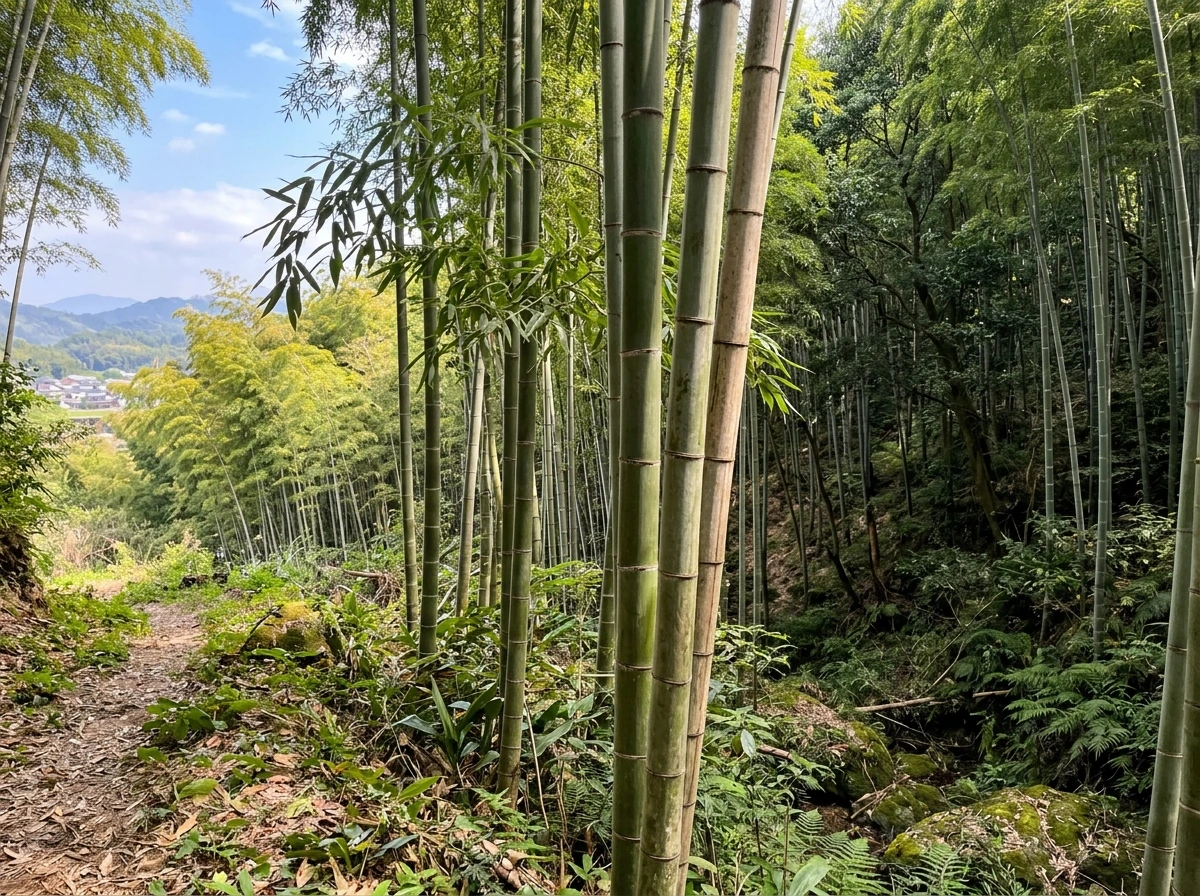
Yes, bamboo grows in soil, and for most species it actually prefers it. Soil is the natural growing medium for nearly every true bamboo species, and with the right setup it will outperform any alternative. That said, not just any soil will do, and "wet soil" is where a lot of people run into trouble. Let me walk you through exactly what bamboo needs, what to avoid, and how to get it right from day one.
Can Bamboo Plants Grow in Soil? Wet Conditions Guide
Marcus Hartwell
24 Mar 2026
Bamboo in soil vs. without soil: the quick answer
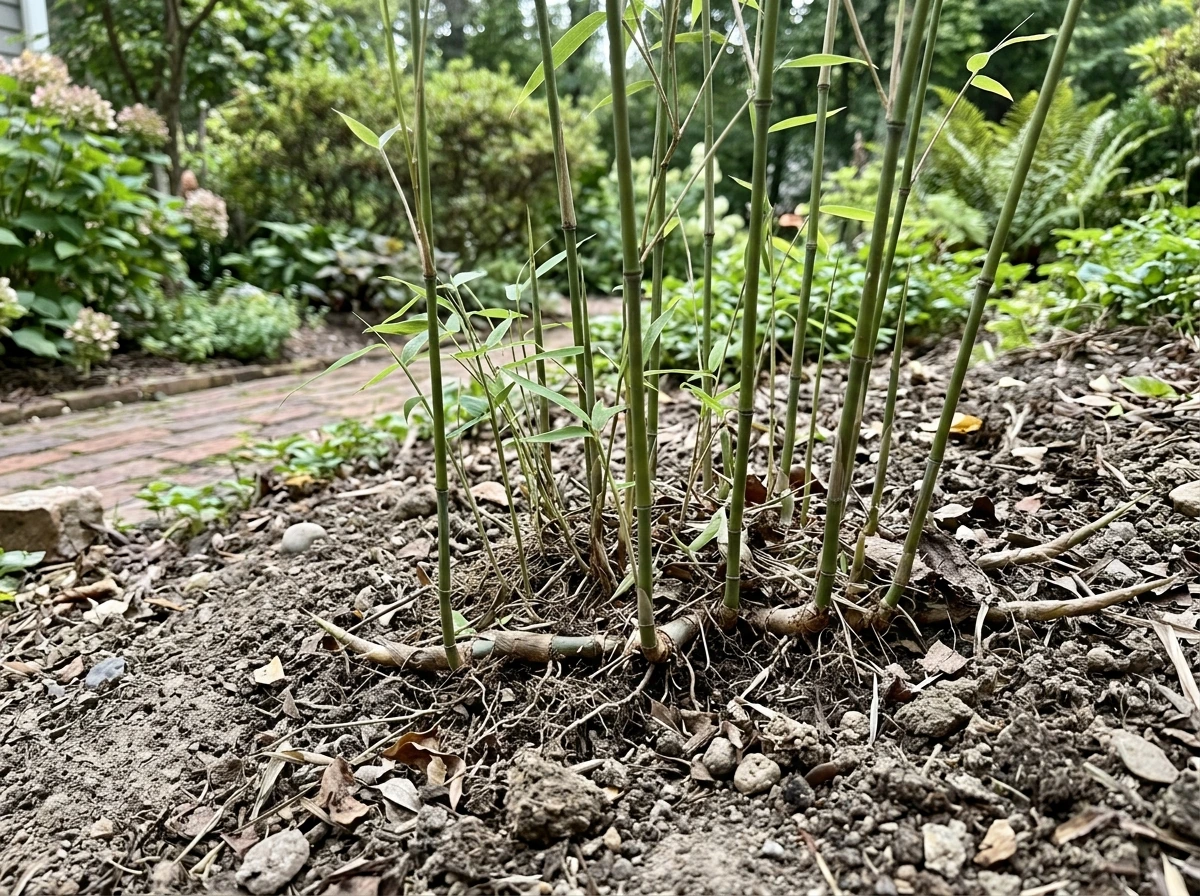
Bamboo absolutely can and should grow in soil. The question is really about which soil conditions work, because soggy or compacted soil will kill a bamboo just as reliably as drought will. Growing bamboo in water (hydroponics or vase-style) is possible for decorative species like lucky bamboo (Dracaena sanderiana, which is not a true bamboo at all), but for real bamboo species, soil is the correct long-term home. Hydroponics can deliver nutrients more consistently and may push faster early growth in some plants, but it adds complexity and cost that simply isn't necessary for bamboo. If you're growing true bamboo outdoors or even in a large container, plant it in soil and focus on getting that soil right.
What soil bamboo actually needs
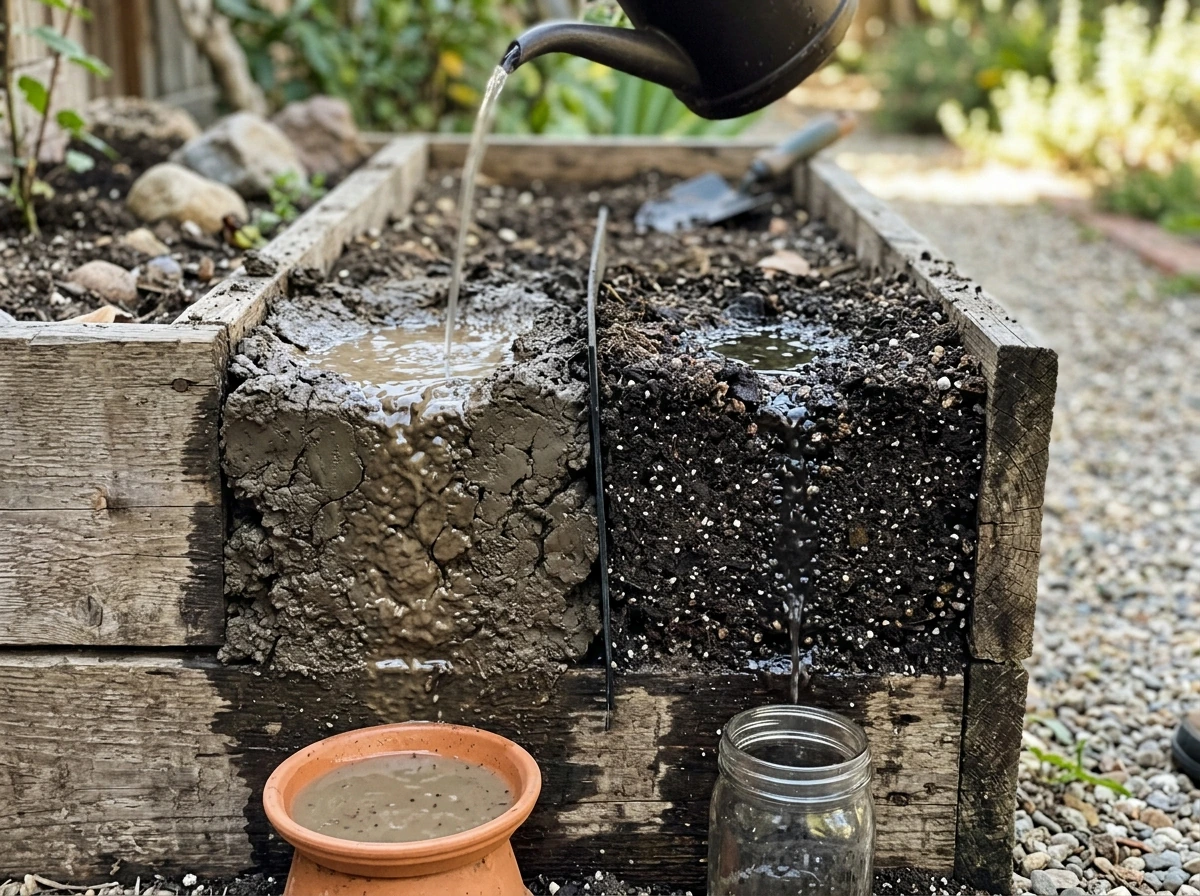
The ideal bamboo soil does two things at once: it drains well and it retains moisture. That sounds contradictory but it just means you want a light, loosely textured loam, not heavy clay and not pure sand. Think of soil that feels moist to the touch but doesn't hold standing water after rain. Getting that balance right matters more than any fertilizer or amendment you could add later.
pH: the number most people ignore
Bamboo is happiest in a soil pH between 6.0 and 7.0. Some sources extend the lower end to 5.0, and most bamboo will tolerate slightly acidic soil, but once you get to pH 5.5 or below you start seeing nutrient lockout and stunted growth. If your soil is overly acidic, a lime amendment will bring it up toward that 6.0 target. Lucky bamboo (Dracaena) specifically does best in the 6.0 to 7.0 range as well, so that guidance applies whether you're growing a potted decorative plant or a full outdoor grove.
Drainage, texture, and nutrients
Poor drainage is the single biggest soil mistake I see. When roots sit in waterlogged soil, they're deprived of oxygen, and that leads to rot in both roots and rhizomes. Heavy clay soils are the usual culprit. If you're working with clay, mix in compost and coarse grit to open up the texture. For nutrients, bamboo is a heavy feeder of nitrogen, but a well-amended loam with a layer of leaf mulch over the root zone will handle most of that naturally. The mulch also helps regulate soil moisture, which keeps that "moist but not soggy" balance much easier to maintain.
| Soil Factor | Target Range / Condition | What to Do if Off |
|---|---|---|
| pH | 6.0 to 7.0 (tolerates 5.0–6.5) | Add lime if below 5.5; sulfur if above 7.5 |
| Texture | Light, loose loam | Add compost and grit to clay; add compost to sand |
| Drainage | Drains within 1–2 hours of heavy rain | Mound planting area or add drainage ditches |
| Moisture retention | Stays moist, not wet | Mulch with leaves/organic material over root zone |
| Nutrients | Moderate to rich in nitrogen | Compost at planting; top-dress with balanced fertilizer |
Can bamboo grow in wet soil or wetlands?
This is where people get into trouble, so I want to be direct: most bamboo species cannot thrive in consistently wet or waterlogged soil. The blanket claim that "bamboo doesn't grow in swamps or wet, saturated soil" is mostly true for common garden species. When soil is constantly saturated, roots are cut off from oxygen and will rot, sometimes within weeks. That's not a slow decline, it's a fast one.
However, "wet" is not a single condition. There's a big difference between soil that stays moist all season (fine for most bamboo), soil that gets temporarily flooded after heavy rain (many bamboos can handle this if it drains within a few days), and soil that is permanently waterlogged or swampy (fatal for most species). If your site is in the third category, you need either a specialist species or major drainage work before you plant.
Species that genuinely handle wet conditions
A few bamboo species have evolved specific adaptations for wet environments. Phyllostachys heteroclada, commonly called water bamboo, has air canals in its rhizomes and roots that allow it to survive in more saturated soil than other bamboos. It's a running bamboo, so you'll need to manage its spread, but it's your best bet if your site stays consistently moist or experiences regular standing water. Phyllostachys parvifolia has a similar adaptation. On the wilder end of the spectrum, Arundinaria tecta (switchcane or river cane) naturally occurs in palustrine wetlands, swampy areas, and even deep peat soils in the southeastern United States, so it's genuinely wetland-capable. For most garden situations though, these are edge cases. If you're asking because your garden is just a bit damp, improve drainage and plant a standard species.
Watering bamboo in soil: how much and how often
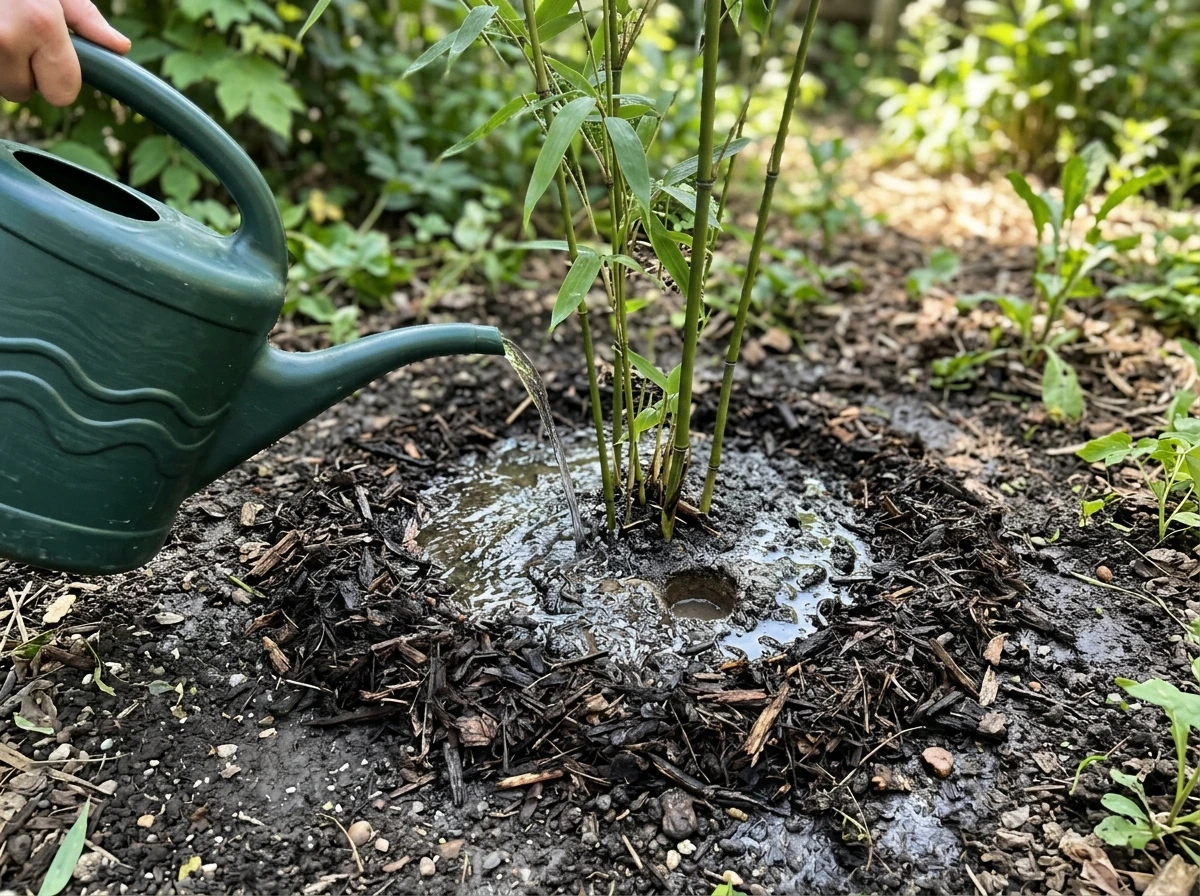
Bamboo in the ground needs less babysitting than bamboo in containers, but watering still matters, especially in the first growing season when roots are establishing. Here's how I think about it practically:
- Newly planted bamboo: water thoroughly every day or every other day for the first few weeks, then taper off as it establishes
- Established bamboo in normal summer conditions: 2 to 3 times per week is a solid baseline
- During extreme heat or drought: water every day; bamboo in containers may need 1 to 2 gallons per session, more if the plant is large or root-bound
- Cool or rainy periods: reduce frequency significantly; let the soil tell you, not the calendar
- Container bamboo: always check drainage holes are clear; containers dry out much faster than ground soil
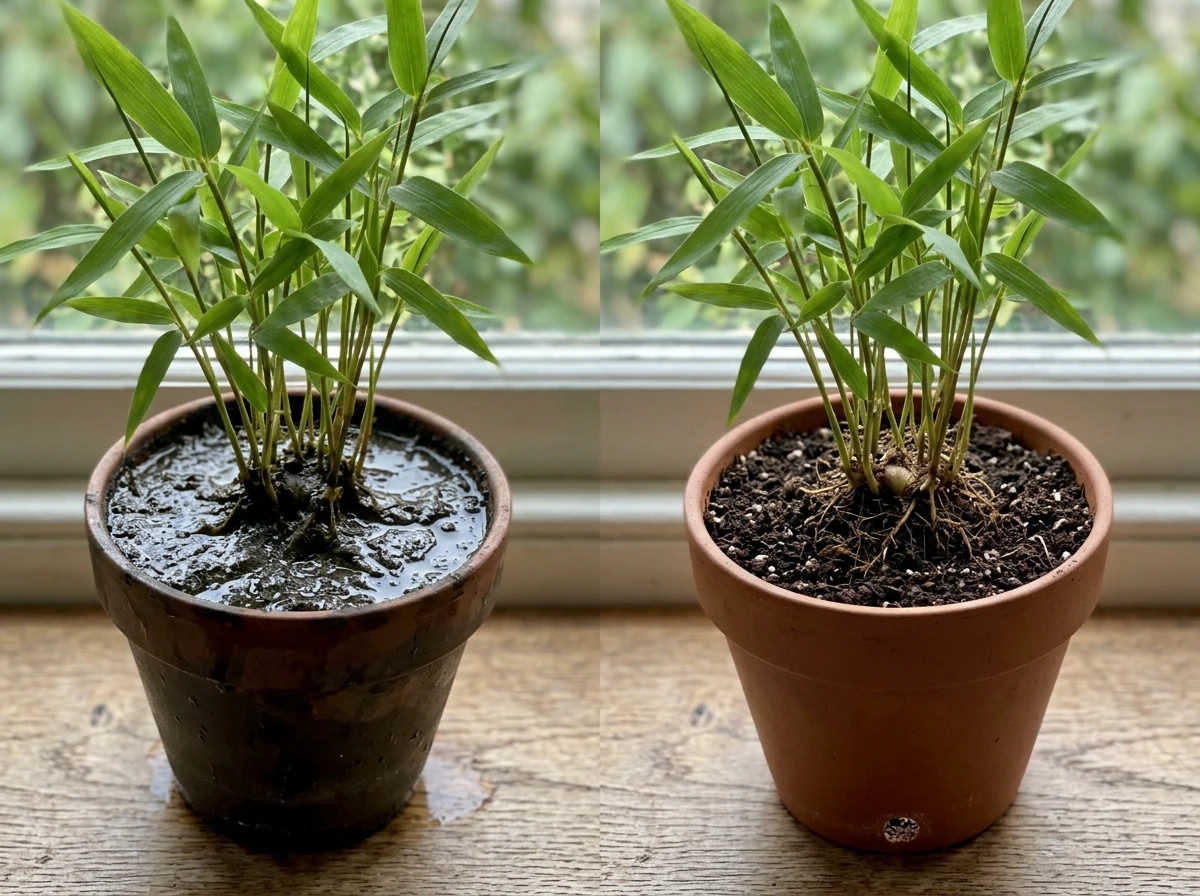
Overwatering is a real risk, especially in containers. Signs of overwatering include soft or rotting stem sections near the base, yellowing leaves, and a soggy smell from the soil. If you see rotting tissue, cut it away cleanly with sterilized tools and adjust your watering routine immediately. Excess watering can also cause excessive leaf drop, which is an early warning sign before rot sets in. A layer of leaf mulch over the root zone helps enormously here because it buffers moisture levels and reduces how often you need to water in the first place.
How to grow bamboo in soil: step-by-step setup
- Test your soil pH before you plant. A basic home test kit works fine. If you're below 5.5, work lime into the top 12 inches of soil and retest after a few weeks.
- Check drainage by digging a hole about 12 inches deep, filling it with water, and watching how long it takes to drain. If water is still sitting after 2 to 3 hours, you need to improve drainage before planting, either by mounding the planting area, creating drainage ditches around the site, or working in coarse organic matter.
- Amend the soil. Mix in generous compost to improve both drainage in clay soils and moisture retention in sandy soils. This step directly affects how fast your bamboo establishes.
- Choose your bamboo type. For most gardens, clumping bamboos like Bambusa multiplex are manageable and non-invasive. Running bamboos like Phyllostachys species spread aggressively and need root barriers or regular maintenance. Match your choice to your site and your willingness to manage spread.
- Dig a planting hole at least twice as wide as your root ball or rhizome section, and roughly the same depth. If planting from a rhizome or offset, position it vertically or at a slight angle as recommended for your species.
- Backfill with amended soil, firm it gently around the roots, and water thoroughly right at planting. You want good soil-to-root contact with no air pockets.
- Mulch the root zone with a 2 to 3 inch layer of leaves or organic mulch. Keep mulch a few inches away from the main culm (stem) to prevent rot at the base.
- Water consistently for the first 4 to 6 weeks. This establishment period is critical. Even drought-tolerant bamboo species need regular water until they're settled into the soil.
- Monitor and adjust. Watch for yellowing (could be overwatering, poor drainage, or pH issues), browning tips (underwatering or low humidity), or very slow growth (nutrient deficiency or wrong pH).
Soil vs. water: choosing the right growing method
For true bamboo species, soil wins every time for long-term growth. The comparison really only becomes relevant if you're growing lucky bamboo (Dracaena sanderiana) as a decorative houseplant, which is commonly sold in vases of water and is often mistaken for a real bamboo.
| Factor | Soil Growing | Water / Hydroponic Growing |
|---|---|---|
| Best for | True bamboo species; outdoor and container growing | Lucky bamboo (Dracaena) as a decorative plant |
| Long-term growth potential | Full size; outdoor groves possible | Limited; suitable for small decorative specimens only |
| Nutrient delivery | Via soil and organic matter; slower but stable | Via dissolved nutrient solution; more precise but requires maintenance |
| Root health risk | Root rot from poor drainage or overwatering | Root rot from stagnant or infrequently changed water |
| Maintenance level | Moderate; water and mulch management | Low to moderate; water changes every 1 to 2 weeks |
| pH management | Amend soil; test periodically | Use filtered or distilled water; avoid fluoride |
| Recommended for beginners | Yes, for true bamboo outdoors | Yes, for lucky bamboo indoors as a vase plant |
My recommendation: if you're growing real bamboo with the goal of establishing a plant that actually grows to size, plant it in soil and invest your energy in getting the drainage and pH right. If you want a low-maintenance decorative piece for a desk or shelf, a lucky bamboo in a vase of water is perfectly fine and is honestly easier to keep alive in that format than in soil.
Chinese bamboo and specific situations: what you need to know
"Chinese bamboo" is a term people use for a few different things. Sometimes it refers to Phyllostachys species native to China, which are running bamboos and among the most commonly grown in temperate gardens worldwide. Sometimes it refers to lucky bamboo (Dracaena sanderiana), which originated in Cameroon but is associated with Chinese interior decorating traditions. And occasionally people mean the fabled "Chinese bamboo tree" of motivational lore, which is usually described as Mao bamboo (Phyllostachys edulis). Here's what the soil guidance looks like for each:
- Phyllostachys species (running Chinese bamboo): these are true bamboos that grow vigorously in well-drained, slightly acidic to neutral soil (pH 6.0 to 7.0). They need good drainage above all else and will spread aggressively, so root barriers are strongly recommended in garden settings. They handle a range of climates from humid subtropical to temperate.
- Mao bamboo / Phyllostachys edulis: same soil requirements as other Phyllostachys. It grows extremely fast once established (this is the species behind many "bamboo grows inches per day" claims), but that growth potential depends entirely on correct soil preparation, adequate moisture, and the right climate zone.
- Lucky bamboo (Dracaena sanderiana): can grow in soil with a pH of 6.0 to 7.0 and very good drainage, or in water. In soil it needs to stay consistently moist but never waterlogged. It is much more sensitive to overwatering than true bamboos and will show root rot quickly if drainage is poor.
Troubleshooting common soil problems
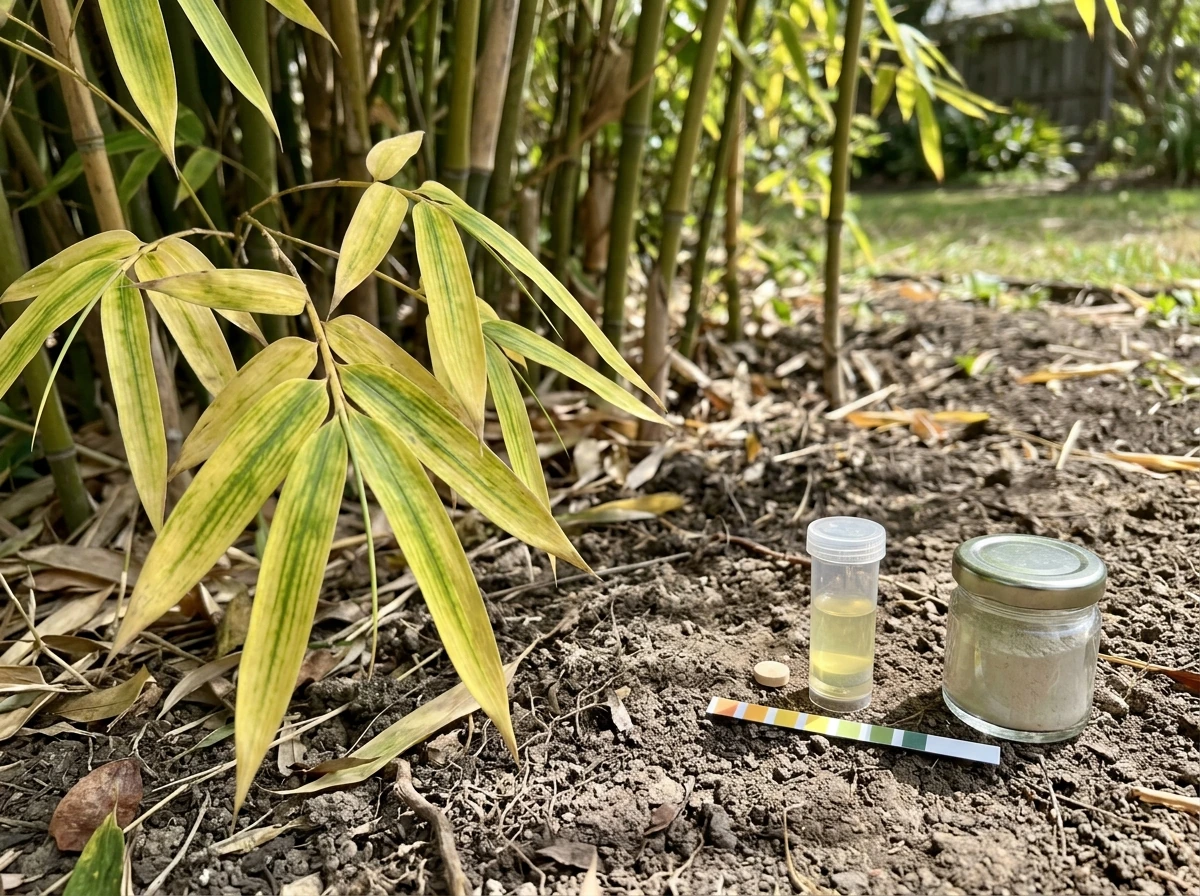
Yellow leaves with green veins usually point to an iron deficiency caused by pH that's too high, lower the pH gently with a sulfur amendment. Uniform yellowing across the whole plant more often means overwatering or waterlogged roots. Brown leaf tips in otherwise healthy plants typically indicate underwatering or low humidity, not a soil problem. If your bamboo is growing very slowly despite good conditions, test the pH again because soil conditions can shift, especially after heavy rain leaches lime out of the soil or organic matter breaks down and acidifies it.
If you're in a region with naturally wet or poorly drained soil, the practical fix before reaching for a specialist wet-soil species is to mound your planting area 6 to 12 inches above the surrounding grade and install drainage channels around it. This simple physical solution works better than any amendment for chronically wet sites, and it gives you the freedom to grow a wider range of species. For more guidance on which bamboo species suit your specific geography and climate, If you're in a region with naturally wet or poorly drained soil, the practical fix before reaching for a specialist wet-soil species is to mound your planting area 6 to 12 inches above the surrounding grade and install drainage channels around it. For more guidance on which bamboo species suit your specific geography and climate, the articles on where bamboo grows around the world and regional bamboo maps on this site are worth reading alongside this one.
Your next steps before you plant
- Do the drainage test today: dig a 12-inch hole, fill it with water, time how long it takes to drain. This single test tells you more than any soil description.
- Test your pH with a basic kit from any garden center. Aim for 6.0 to 7.0 and amend if needed before you plant.
- Decide on clumping vs. running bamboo based on how much space you have and how much management you're willing to do.
- If your site is genuinely wet or prone to flooding, look specifically at Phyllostachys heteroclada or Arundinaria tecta rather than forcing a standard species into the wrong conditions.
- Plan your mulch layer now. It's not optional for healthy soil-grown bamboo; it's the single cheapest thing you can do to protect your planting and reduce watering frequency.
- Commit to consistent watering for the first 4 to 6 weeks after planting. This establishment window is where most bamboo failures happen, and it has nothing to do with soil type and everything to do with moisture consistency.
FAQ
How can I tell if my soil is moist enough versus too wet for bamboo?
Bamboo can handle “moist” soil, but not saturated conditions. A quick check is to dig 6 to 8 inches down after rain, then squeeze a handful. If it forms a wet, muddy ball and releases standing water as it warms, that is too wet and you should improve drainage before planting.
Can bamboo plants grow in soil at first, then be moved later?
Yes, you can start bamboo in soil and still repot it later, but avoid frequent moves. If you must transplant, do it when the plant is actively growing (spring to early summer), and keep the root ball intact to reduce rhizome and root disruption. Recheck drainage in the new spot immediately.
What changes when growing bamboo in a container instead of in the ground?
Container soil can become waterlogged faster than ground soil, even if it drains “okay” on the surface. Use a pot with drainage holes, a lightweight mix, and do not set the pot on a saucer that holds water. Let the top 1 to 2 inches dry slightly between waterings, then water thoroughly until it drains.
If my bamboo is yellowing in soil, is it always overwatering?
Foliar yellowing can be from several causes, but when pH is too low (too acidic) bamboo often shows slow growth and overall decline rather than just one stressed leaf. Before adjusting fertilizer, test pH and consider correcting it toward 6.0 to 7.0, because nutrient lockout is a common hidden issue in chronically wet or leached soils.
Will leaf mulch help keep bamboo in “wet” soil safe, or can it make things worse?
Yes, but only if you protect drainage and oxygen to the roots. A thicker mulch layer helps regulate moisture, but if you mound mulch against the base of the culms or leave it packed and constantly wet, it can encourage rot. Keep mulch over the root zone, not piled to the stems, and refresh it as it breaks down.
What should I do if my yard gets flooded after heavy rain?
Many common garden bamboos should not be planted in soil that stays saturated year-round. If your site floods after heavy rain, choose a place that drains within a few days, or build a mound with drainage channels first. If water stays for weeks, plan on specialist wet-tolerant species or major drainage work.
My bamboo is showing rot. Can I save it by changing fertilizer or watering?
If roots are already rotting, fertilizer will not fix it. Remove affected tissue with clean, sterilized tools, improve drainage immediately, and reduce watering until new growth appears. If odor and soft tissue are severe, you may need to cut back to healthy portions and repot into a better-draining mix.
How does soil moisture affect bamboo fertilizer needs?
For true bamboos, nitrogen helps, but wet, poorly aerated soil can magnify problems by stressing roots and reducing uptake. A better approach is to feed after drainage and pH are stable, use a moderate rate, and avoid heavy applications when the soil stays wet for long periods.
My plant label says “Chinese bamboo,” what soil advice should I follow?
Yes. “Chinese bamboo” can refer to different plants, including Dracaena sanderiana (often grown in water) or several Phyllostachys species. Before you apply soil guidance, identify whether your plant is a true bamboo or lucky bamboo, because the soil and wetness tolerance can be very different.
What is the best first step if I suspect my soil is chronically wet?
Most bamboos tolerate some temporary wetness, but they struggle with constant saturation. If you are unsure, plant higher on the landscape, ensure water can move away from the rhizome zone, and do not rely on amendments to “hold” air. Drainage engineering usually outperforms soil recipes for chronic wet sites.
Next Article
Where Can Bamboo Grow: Climate, Soil, and Limits
Learn where bamboo grows naturally and how to judge your site for climate, sun, and drainage limits for success.