
Bamboo can grow in a surprisingly wide range of places, from tropical rainforests to cold temperate mountain slopes, but that range has real limits. The short answer is this: if your winters stay above about -20°F (-29°C), you have at least moderate rainfall or can irrigate, and your soil drains reasonably well, there is almost certainly a bamboo species that will work for you. If any of those conditions fall outside that window, you need to know before you plant, because bamboo planted in the wrong spot is a frustrating, expensive lesson.
Where Can Bamboo Grow: Climate, Soil, and Limits
Marcus Hartwell
24 Mar 2026
Where bamboo naturally comes from
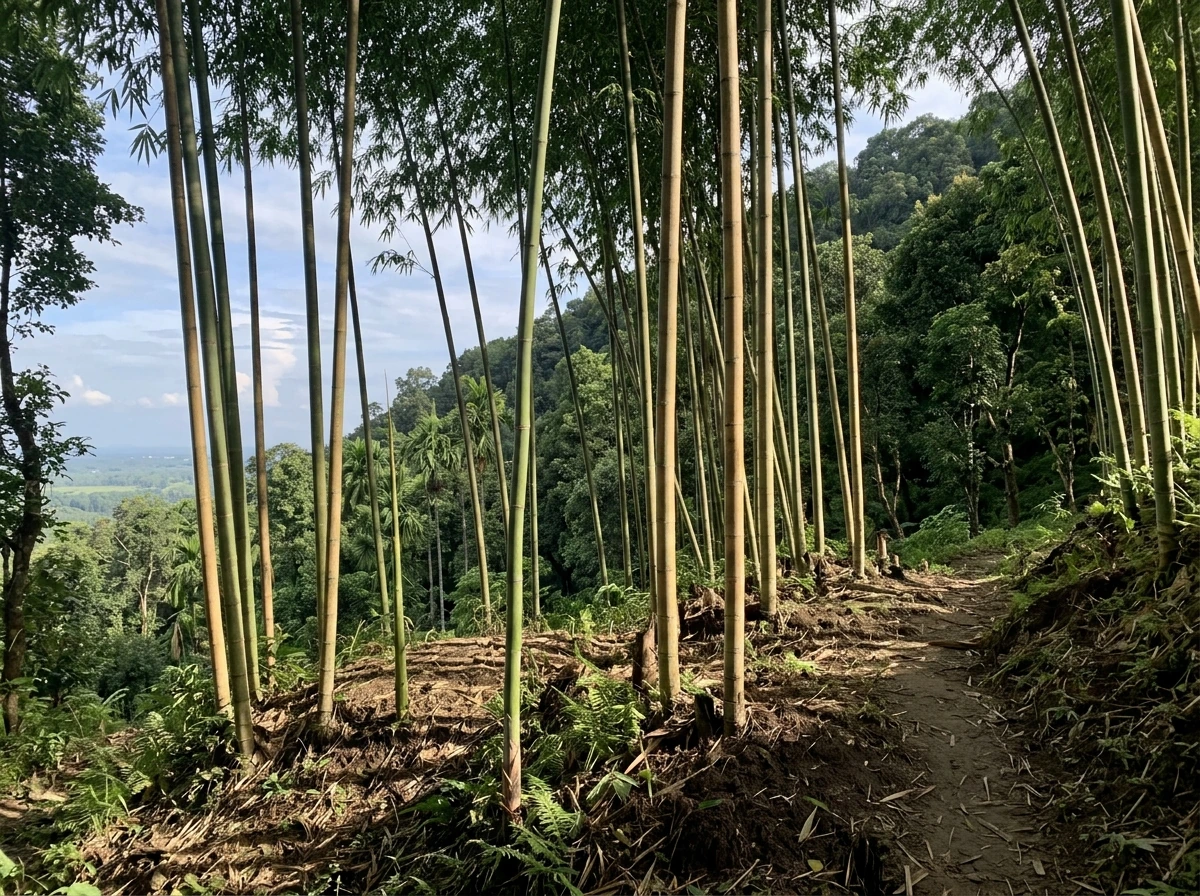
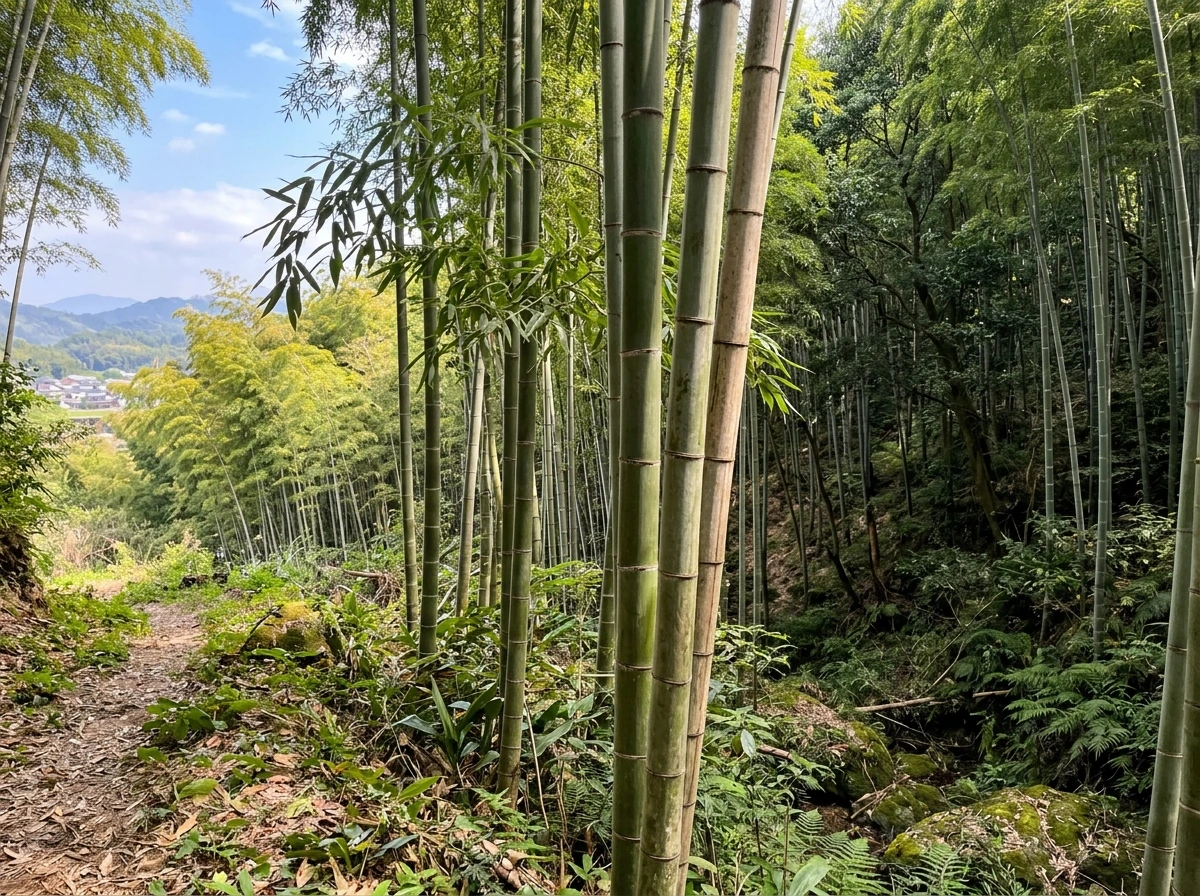
Bamboo (subfamily Bambusoideae) is native to tropical, subtropical, and mild temperate regions across the globe, but the heaviest concentration of species by far sits in East and Southeast Asia and on the islands of the Indian and Pacific oceans. China is the undisputed center of bamboo diversity, particularly for the temperate woody species that most gardeners in the Northern Hemisphere end up working with. Those temperate bamboos tend to come from montane areas in East Asia, which tells you a lot about what they actually need: decent cold tolerance, seasonally defined rainfall, and good drainage on hillside or valley soils.
Outside Asia, bamboo has native ranges in South Asia (south India and Sri Lanka), parts of Africa, and North America. In the southern United States, a few native Arundinaria species form dense canebrakes along riverbanks and in marshy lowlands, which is a useful reminder that not all bamboo wants the same conditions. Some species evolved in wet, humid bottomlands. Others grew on exposed mountain slopes. That diversity in native habitat is exactly why bamboo can be adapted to so many different gardens, but also why species selection matters so much.
Climate requirements: temperature and rainfall
Temperature is the single biggest factor determining whether bamboo will survive in your location. Cold-hardy clumping and running bamboos can tolerate temperatures as low as -20°F (-29°C), putting them solidly in USDA zones 5 and above. Tropical species, on the other hand, may struggle below 32°F (0°C) and prefer consistently warm conditions year-round. Most of the bamboos sold at nurseries are either temperate running types (Phyllostachys, Pseudosasa) or clumping species that fall somewhere in between.
Rainfall requirements vary by species but a general working range for outdoor bamboo in the ground is 30 to 60 inches (760 to 1,520 mm) per year. Many bamboos can tolerate drought once established, but they will not thrive in it. During the establishment period, which can run 2 to 3 years depending on your climate, consistent moisture is critical. In drier climates, this means irrigation is not optional; it is part of the system. Humidity also plays a role: bamboo from humid subtropical environments, like the classic Phyllostachys species native to central China, does not love the low-humidity summers common in the American Southwest or interior continental climates.
Best places to grow bamboo: sun, wind, and microclimates
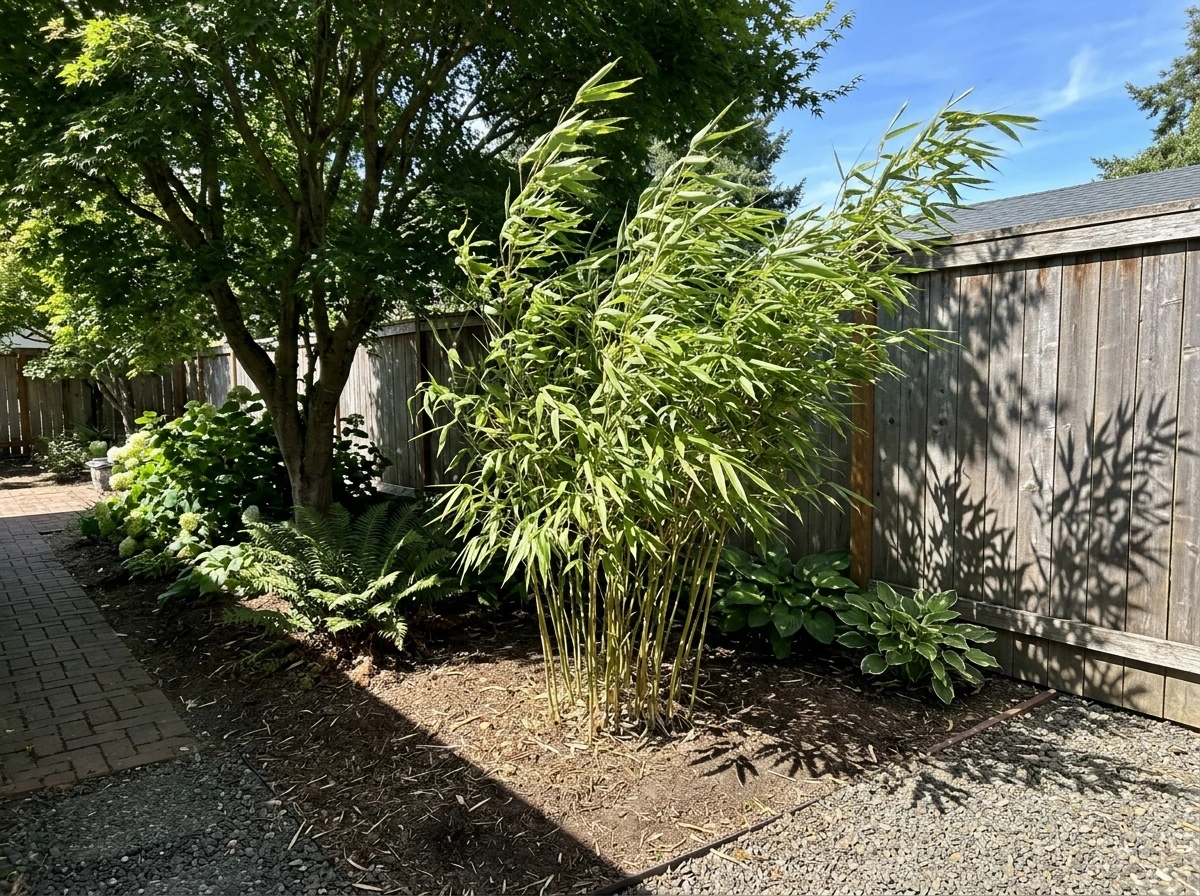
Most bamboo species want full sun to partial shade, with a sweet spot around 5 to 6 hours of direct sunlight per day. Running bamboos like Phyllostachys aurea or P. nigra tend to perform best in full sun in temperate climates, where they need the light energy to fuel their aggressive root systems. In hotter climates, particularly in USDA zones 9 and 10, some afternoon shade actually protects foliage from scorch and reduces water demand.
Wind is underrated as a threat. Bamboo culms are strong but the large leaf surface area makes established groves vulnerable to desiccation and physical damage in exposed, windy sites. If you are planting in a coastal or high-elevation location with regular strong winds, put your bamboo on the leeward side of a structure, fence, or existing tree row. The difference between a sheltered south-facing corner and an exposed north-facing slope can be 5 to 10°F of effective temperature difference in winter, which can be the margin between a plant that survives and one that dies back to the roots every year.
Microclimates are your best tool if you are near the edge of a suitable zone. Urban heat island effects, south-facing walls that radiate warmth at night, and low-lying frost pockets all shift what a plant experiences relative to the official USDA zone map. I have seen Phyllostachys bambusoides growing vigorously against a brick south wall in a zone 6b garden where the surrounding beds would not support it. Pay attention to where frost hits last in your yard and where it hits hardest: that is the map that matters for bamboo.
Soil needs and drainage
Bamboo is not particularly fussy about soil texture, but it is very fussy about drainage. The ideal soil is Bamboo is not particularly fussy about soil texture, but it is very fussy about drainage. The ideal soil is [a well-drained loam or sandy loam](/bamboo-climate-zones/can-bamboo-plants-grow-in-soil) with a pH between 5.5 and 7.0, slightly acidic to neutral. with a pH between 5.5 and 7.0, slightly acidic to neutral. Most bamboo species perform best in the 6.0 to 6.5 range. Heavy clay that holds standing water will rot bamboo roots and create anaerobic conditions that kill the plant slowly, often over one or two winters. If your soil drains slowly, you have two real options: raise the planting area with amended soil or choose a moisture-tolerant species like Arundinaria, which evolved in exactly those conditions.
Organic matter matters more than most people expect. Bamboo in its native montane habitat grows in soils rich with decomposed leaf litter. Incorporating compost at planting time, and top-dressing annually with a few inches of wood chip mulch, mimics that environment and dramatically improves establishment speed. Avoid heavily compacted soils if you can. Compaction restricts the rhizome spread that bamboo depends on for long-term vigor, and it is one of the main reasons bamboo planted in suburban lawns with compacted subsoil never reaches its rated mature size.
Can bamboo grow anywhere? Honest limits
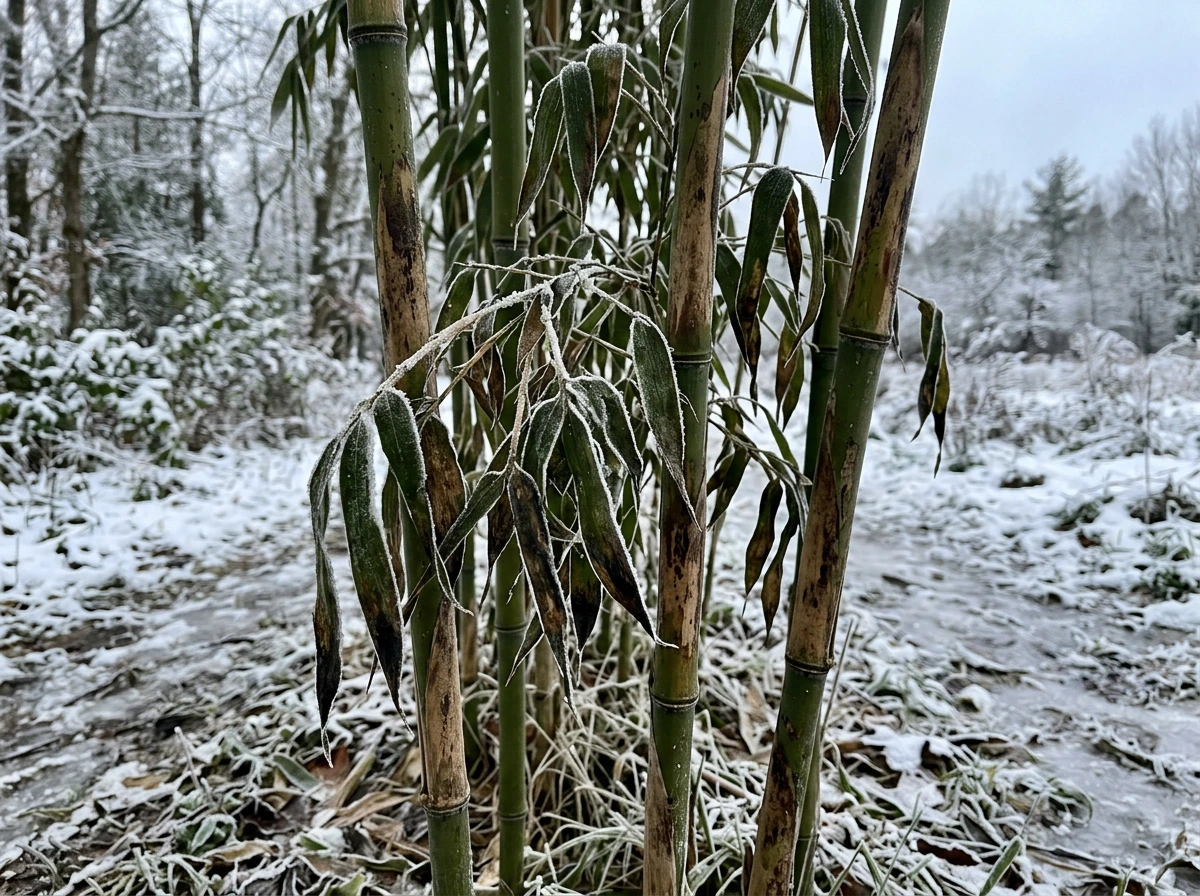
No, bamboo cannot grow everywhere, and I think it is important to say that plainly. Here are the conditions where bamboo consistently fails, regardless of species selection.
- Extreme cold without cold-hardy species: Temperatures below -20°F (-29°C) will kill even the hardiest temperate bamboos. In USDA zones 4 and below, outdoor in-ground bamboo is generally not a viable long-term planting without significant winter protection every year.
- Waterlogged or poorly drained soil: Sustained root saturation causes rot. This is probably the most common failure mode in temperate gardens where clay soil meets winter rainfall.
- Extreme desert heat combined with low humidity and drought: Bamboo can handle heat but not the combination of heat, aridity, and low humidity that characterizes places like Phoenix or Las Vegas without serious irrigation and shade management.
- Deep shade: Less than 3 hours of direct sunlight dramatically reduces growth rate and vigor. Bamboo under dense tree canopy will survive but rarely thrive.
- Highly alkaline soils: A pH above 7.5 leads to iron and manganese deficiencies, causing yellowing foliage and stunted growth. Soils with high lime content, common in arid regions and over limestone bedrock, need significant amendment or pH adjustment.
- Frost pockets with repeated late-spring freezes: Even cold-hardy bamboo can be damaged when new shoots emerge in spring and then get hit by a late frost. This is a microclimate issue more than a zone issue.
To check your specific location, start with your USDA hardiness zone but do not stop there. Look up the average number of frost days per year, your average annual rainfall, and whether your soil is primarily clay, loam, or sand. If your minimum winter temperature stays above 0°F (-18°C) and your soil drains within an hour after a heavy rain, you are working in favorable territory for dozens of species. If either of those conditions is marginal, narrow your species list before you spend any money.
Growing bamboo outside the ideal zone: indoors, in greenhouses, and in containers
If your climate does not suit in-ground bamboo, container and indoor growing are real alternatives, not consolation prizes. Several tropical species, including Bambusa ventricosa (Buddha belly bamboo) and Guadua angustifolia, adapt well to large containers and can be moved indoors or into a greenhouse before hard freezes. The key constraint is pot size: bamboo in a container smaller than 15 to 20 gallons will become root-bound within 2 to 3 years and growth will stall. Use a quality, fast-draining potting mix, water more frequently than you would for an in-ground plant, and fertilize through the growing season since container nutrients deplete quickly.
Indoors, bamboo needs bright light, ideally a south-facing window or supplemental grow lighting, and consistent humidity above 50%. Most homes run dry in winter, which causes leaf tip browning and overall stress. A small humidifier near the plant makes a real difference. Indoor bamboo will not reach the heights it would outside, but a well-maintained container specimen in a bright room can be an attractive, long-lived plant. The most important thing to understand about indoor bamboo is that it is a tropical or subtropical species in most cases, not a temperate running bamboo: the species sold for indoor use are fundamentally different plants from the ones that would grow in your yard.
For gardeners in marginal zones who want to push the cold tolerance limit with an in-ground planting, the best strategy is a combination of species selection and site protection. Choose the coldest-rated species for your region, plant against a south-facing wall or fence, mulch heavily at the base before winter (6 to 12 inches of straw or wood chip mulch over the rhizome zone), and expect that the culms may die back in harsh winters while the roots survive to reshoot in spring. This is common practice for Phyllostachys growers in zone 6 pushing toward zone 5. It works, but you manage for root survival rather than culm preservation.
Matching species to your situation
The single most useful step you can take before planting is to identify your USDA hardiness zone, your average annual rainfall, and your soil drainage speed, then match those numbers to a species list. The table below gives a quick reference for common bamboo types and the conditions they need.
| Bamboo type / Example species | Min. cold tolerance | Best USDA zones | Water needs | Ideal use |
|---|---|---|---|---|
| Temperate running (Phyllostachys aurea) | -10°F (-23°C) | 6–10 | Moderate (30–50 in/yr) | Outdoor in-ground, screens, groves |
| Cold-hardy running (Phyllostachys bissettii) | -20°F (-29°C) | 5–9 | Moderate | Cold-climate outdoor planting |
| Native canebrake (Arundinaria gigantea) | -10°F (-23°C) | 5–9 | High, tolerates wet soil | Riparian areas, moist lowlands |
| Clumping tropical (Bambusa ventricosa) | 28°F (-2°C) | 9–12 | Moderate to high | Warm climates, large containers |
| Dwarf/groundcover (Pleioblastus pygmaeus) | -10°F (-23°C) | 5–9 | Moderate | Shade groundcover, container |
If you are in zones 6 through 9 with decent rainfall and loamy or sandy soil, the honest answer to 'where can bamboo grow' is: right in your yard. where does bamboo grow in the world
FAQ
Can bamboo grow in areas with short, mild winters but very hot summers?
Yes, as long as you pick heat-tolerant species and manage moisture during establishment. In very hot summers, afternoon shade, deep watering, and mulch over the rhizome zone reduce stress because bamboo can overheat even when it survives the winter.
What soil drainage test should I do before planting bamboo?
Do a simple percolation check: dig a hole, fill it with water, and time how long it takes to drain. If water still pools after an hour, plan on raised planting or choose a moisture-tolerant type, since slow drainage is a common cause of root loss over one or two winters.
Will bamboo survive in coastal areas or should I avoid salt air?
Salt wind exposure can scorch foliage and increase desiccation, even when temperatures are suitable. Place plants on the sheltered side of a barrier (fence, building, tree row) and keep mulch slightly thicker than in inland sites to stabilize soil moisture.
Is bamboo suitable for areas with frequent frost but not extreme cold?
Often, yes, but you must treat frost frequency as a risk for dieback. Cold-hardy species can survive, yet repeated freeze-thaw cycles still stress culms, so expect top growth loss and focus protection on root survival with heavier mulch in winter.
How close to a house, patio, or foundation can I plant bamboo?
Keep running bamboos at a distance and use physical barriers if they are near structures. A practical approach is installing a root barrier at planting time and leaving enough room for maintenance access, since culms and rhizomes both expand outward beyond what most people expect.
Will bamboo grow in lawns and should I plant it directly into sod?
Bamboo can struggle in compacted suburban lawn subsoil and may never reach its typical size. If you do plant into a lawn, remove competing turf, loosen/replace the planting zone, and add organic matter so rhizomes can spread without being restricted by dense ground.
What happens if I plant too late in the season?
Planting late can leave bamboo short on time to establish before cold or drought periods. For marginal climates, aim for a window when the soil stays reliably workable and moisture is consistent, since establishment commonly takes 2 to 3 years and the first season is the most sensitive.
Can bamboo grow in a container in cold climates without a greenhouse?
Yes for many tropical or subtropical species, but you must prevent the root ball from freezing. Plan to move the container indoors or into an unheated but frost-free shelter, and expect slower growth compared to in-ground plants due to limited root volume.
How big does a container need to be for bamboo long-term?
Use a container large enough that it will not become root-bound quickly, because small pots stall growth fast. A good rule from experience is that under about 15 to 20 gallons, many bamboos will crowd within 2 to 3 years, especially when fertilizing and watering fluctuate.
If my zone looks right on a map, why does bamboo still fail sometimes?
Microclimate overrides the zone map, especially frost pockets and sites that stay wet after rain. Check drainage speed, observe where cold settles in winter, and consider sheltered placement, because a site can be effectively colder or wetter than the surrounding yard.
Next Article
Where Do Bamboos Grow? Climate, Soil, and Planting Guide
Learn where bamboo grows worldwide, plus climate, soil, light needs and how to choose species for your region.
